
Close
CFRPSAIL | Centre for Research in Political Sciences and International Law

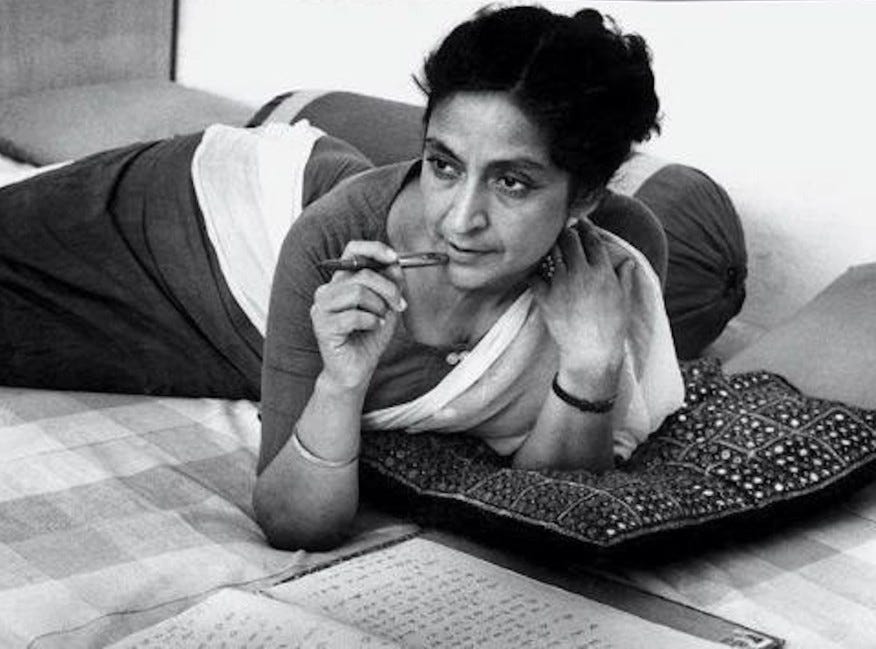
Amrita Pritam, the most eminent and famous woman writer and progressive poetess of the Punjabi and Hindi, was born in Gujranwala on the 31st August, 1919. Her actual name was Amrit Kaur. She was the only child of Kartar Singh Bitkari (بتکاری) (or Hitkari). Bitkari was a school teacher and a scholar who was also a Sikh preacher and the editor of a literary journal which was published from Gujranwala. She proved her worth and was awarded the Sahitya Academy Award in addition to numerous other recognitions and awards. In this way, she was a great Punjabi daughter of soil of Gujranwala.[1]
Most Fertile and Turbulent Land:
No doubt, the land of district Gujranwala is the most fertile and rich in producing different agricultural products since time immemorial when cultivation as a profession was established. There is no competitor of Basmati rice produced throughout lands of the district. Similarly, the land is also rich to produce great personalities for wars, governance, politics, religion and in intellectual spheres of life in addition to artistic pursuits.
The entire Punjab is divided into four large and major Bars, namely Kirana or Gondal Bar (between rivers Jhelum and Chenab), Sandal Bar (between rivers Chenab and Ravi), Ganji Bar (between rivers Ravi and Beas) and Neeli Bar (between rivers Beas and Sutlej). However, the Sandal Bar is the largest and mostly situated in the Rachna Doab. The river Chenab is also known as Chandal or Chandra (the queen of rivers) in Hindi literature.
Gujranwala is situated in Sandal Bar of the Rachna Doab. Rachna Doab is the area located between the river Chenab in the north and river Ravi in the south-west. Historically, present day Punjab province settlements dated back to Harrapan Civilization with earliest settlements around 2600 BC. The area passed through different phases of agricultural and cultural evolution. The people living in bars were traditionally brave and lionhearted as they have to face dangers and challenges of survival in the uncultivated bar lands. Most of the people are of Rajput origin who are subdivided into different castes presently known as Jats but a large majority is still keeping their identity as Rajputs divided into different tribes settled in different geographical areas of the Bars. Due to plain land and alluvial soil of the rivers cultivation was easy even naturally grown plants were a rich source of fodder for domesticated animals in the presence of a large number of wild animals of all kinds.
People living in the Bars were singing Dholas (ڈھولا) (ballads) to express their feelings and emotions which ultimately resulted into a great literature explaining different aspects of life in the Bars. Love and expression of love into poetry remained the most popular aspect of the Bar life. Love stories of Heer and Ranjha and Mirza and Sahiban are famous stories of the Sandal Bar narrated by different poets. Heer Waris Shah is the most popular love story of the Sandal Bar and place of occurrence of the story and its narrator i.e. Syed Waris Shah, both are a few kilometres from Gujranwala and due to this reason almost every literate or illiterate person is aware of the legendary Heer and Ranjha story. Similarly, this Bar also produced great warriors like Dulla Bhatti and Rai Ahmed Khan Kharal who are also subject of different stories of rural life who challenged to alien rulers of the sub-continent. Although there are a numerous lesser known heroes who also challenged the hegemonic rulers and foreign invaders. The warring and conquering will of Alexander the Great was also shattered by the brave warriors of this area and was hardly able to save his live while returning to his home country.
Punjabi is the language spoken by the people of the Punjab with different dialects with slight variations. Punjabi is grown and evolved through a long passage of a period of about nine centuries from the 11th to 19th century. Lehndi (لہندی) (western) or Jaangli (جانگلی) (belonging to jungle or forest) is a vigorous dialect of the Bars. Baba Farid is the pioneer of the Punjabi literary tradition who after shifting from Delhi to Pakpattan (then Ajodhan) lived on the borders of the Neeli and Ganji Bars. His poetry is in couplets in Lehndi which is also known as Multani due to local accent of the area. Baba Guru Nanak or Baba Nanak (father Nanak) (15th April, 1469- 22nd September, 1539) was a great spiritual saint and a great Punjabi poet of the Sandal Bar. Nanak’s hymns (shabdas) are the part of holy religious scripture of Sikhism with major prayer being the Japji Sahib with Asa di Var (Ballad of Hope) and Sidh Gosht (Discussion with the Siddhas). He was the first to use the Lehndi idiom in his poetic expressions. Damodar Gulati also known as Damodar Das Arora (lived during the 16th and 17th centuries) was also another famous poet who had written his Qissa Heer Ranjha in the Punjabi dialect of the Sandal Bar which is even today like Majhi (ماجھی) dialect being spoken in Pakistan and Indian Punjab. He was living during era of Akbar the Great of Mughal dynasty. Historically, it is not known whether he was the contemporary of Syed Waris Shah or died prior to birth of Syed Waris Shah. However, he was a great storyteller of the Sandal Bar and the Punjab. All other poets narrated the story of Heer Ranjha in their own way but taking facts from him. The narration of the Heer Ranjha by Syed Waris Shah is with such a poetic force that it has become the part of the rural Punjabi psyche. The poetic tradition was continued by Sultan Bahu (17th January, 1630- 1st March, 1691), who was born at Shorkot of district Jang and buried at Garah Maharaja, had contributed to the Punjab by his Abyat e Bahu (couplets of Bahu) and other poetic compositions. None can ignore Peelu of Dhann (Dhann are areas of Chakwal and its surroundings). Hafiz Barkhurdar (1658-1707 (aged 48/49 years) had written the Mirza Sahiban, the second famous love story of the Punjab while describing the beauty and the dread of the Bar. Hafiz was born at Takht Hazara of district Sargodha and his resting place is Chitti Shaikhan in district Sialkot. Hafiz’s contribution towards the Lehndi is memorable as the Mirza Sahiban is also recited with fervour in rural areas of the Punjab. Nijabat (born in 1799) was resident of village Metela Harlan located in then district Shahpur now Khushab who belonged to Rajput tribe. He is famous epic poet who composed the “Nijabat Di War or Nadir Shah Di War” describing details of Nadir Shah’s invasions on the Punjab and Delhi.
The Sandal Bar is located between the rivers Chenab and Ravi and comprises the southern part of the Rachna Doab. It is believed that the Sandal Bar is named after name of grandfather of Dulla Bhatti whose name was Sandal and was the chieftain of his tribe who challenged the Mughal rule in the area during the reign of Akbar. This part of the Rachna Doab was sparsely populated until the establishment of the Chenab Colony (Lyallpur) in 1892 by the British Government. Famous districts of the southern part of the Rachna Doab are Faisalabad (Lyallpur), Jhang, Toba Tek Singh and Chiniot. However, northern part of the Rachna Doab is now thickly populated having a number of large cities and towns particularly district Gujranwala (Qila Didar Singh, Nowshera Virkaan, Eminabad, Ghakar Mandi, Kamoke, Rasul Nagar, Khiali Shahpur Town and Wazirabad), District Sialkot (Sambrial, Daska, Pasrur and Raya), District Sheikhupura (Chauhar Kana (now Farooq Abad), Manawala, Safdar Abad (previously Qila Dhabaan Singh), Kot Abdul Malik, Narang Mandi, Muridkay, Ferozwala and Sharaqpur Sharif), District Faisalabad (Chak Jhumra, Jaranwala, Samundri and Tandlianwala) and District Narowal (Shakargarh, Zafarwal, Qila Sobha Singh, Baddomalhi and Talwandi Bindraan) and District Nankana Sahib (Sangla Hill, Shah Kot and Warburton).
Anciently, the area was directly connected with the valley of Jammu and Kashmir which had also a pleasant impact on its climatic conditions. It is the part of Mahja Region of ancient Punjab which is also part of the Rachna Doab plain between the rivers Chenab and Ravi. However, there is no accurate known history about present location of city of Gujranwala although it was located on warriors route who conquered the Lahore, from time to time, while their ultimate target remained Delhi, the Capital of India for a long time after the Chandragupta Maurya’s capital Pataliputra (located near to present Patna in Bihar, India).
There is no accurate account about the word “Gujranwala” which is now the name of the district headquarter and the most populous city in the district. However, there is historical evidence that Eminabad (formerly known as Saidpur), a town about 12 kilometres from present Gujranwala was established by Raja Salvahan of Sialkot who was Rajput ruler in the 1st century B.C. Later on, during invasion of Babur, the town was sacked in 1521. Hymns by Guru Nanak vividly described devastation in Saidpur including his and Bhai Mardana, his companion, arrest and imprisonment with the populace of the town. But later on due to spiritual influence of Guru Nanak, during a meeting, Babur released all the prisoners. A Sikh folklore described that Guru Nanak and Bhai Lalo were residing at a heap of broken pebbles at a location known as Rohri Sahib, in the outskirts of today’s Eminabad town. Thereafter, Sher Shah Suri founded a new city named Shergarh. But finally, it was Emin or Ameen Baig, Humayun’s general, who destroyed Sher Shah Suri’s garrison and established a new town named after his name during the Akbar’s reign. Eminabad was a thriving town when the English merchant William Finch visited the area in the year 1610. It was also Parganah headquarter under the Lahore Subah generating a revenue of about 9,00,000 rupees per year. Diwan Jaspat Rai of Eminabad was killed by Sikhs in 1739 and his brother Lakhpat Rai retaliated and captured a number of outlaws and executed them outside Delhi Gate in Lahore also known as Shaheed Gang. However, the Mughal administration crippled with passage of time and unable to thwart rebellious activities and invasions particularly during the reign of Shah Alam-II from Ahmed Shah Abdali, Marathas, Hindu Jats of Bharatpur and the Sikhs. Ultimately, Sardar Charrat Singh, grandfather of Ranjit Singh, took control of Eminabad. Ranjit Singh granted the town to Dhyan Singh of Jammu. Hence, during three centuries, Saidpur transformed to Shergarh and Shergarh to Eminabad, which is a fast growing and developing town now. It is now also situated on the railway line connecting Lahore and Rawalpindi which had not only revolutionized transport system but also opened vistas of business and employment to the people. Now, there are multiple road links to different areas from Eminabad.
It is said that during the 7th century Gujjar kingdoms were dominating the eastern portions of northern India and the city was founded during that period. However, the city was flourished, grown and expanded during the Mughal Empire particularly during the reign of Akbar to Aurangzeb. Agriculture flourished as the water level was between 10 to 30 feet which was used by wells and Persian wheels (Jhallars). Even excessive water was available through channels from the river Chenab around ten to fifteen miles near to river bed. Historically, it is believed that there were no local populous but all were settlers who were lured by fertile lands with plenty of water available for irrigation purposes.
According to the Gazetteer of the Punjab of the Gujranwala District (1883-84)[2], the capital of the ancient Punjab was situated in this district which was known as Tse-kia (Taki) which was near to modern village of Asarur which is situated two miles to the south of Khangah Masrur, now known as “Khangah Dograan” , now in district Sheikhupura, which is 24 miles away from Pindi Bhattian, as stated by the Chinese traveller Hwen Thsang who visited this area in 630 A.D. It was the capital of the whole of the plains of the Punjab from the Indus to the Bias, and from the foot of the mountains to the junction of the five rivers below Multan. However, during the Muslim rule the towns of Eminabad and Hafizabad were principal places in the district. The locality of Gujranwala was situated within Eminabad parganah while Wazirabad in Sohdra parganah. Thus, parganahs of Hafizabad, Eminabad and Sahomalli were also in the list of Mahals given in the Ain-i-Akbari of the Rechnabad Sirkar of the Lahore Subah and Bucha Chattha was situated in parganah of Bucha Chattha (Bagh Roy Boochey).[3]
During the last years of Mughal reign most of the people left areas around Grand Trunk Road most probably fed up by wars between the Afghan kings and Mughal forces being adversely affected by loot and plunder during wars. At that time Eminabad and Hafizabad were main towns while entire area was divided into six parganahs. Raids of Nadir Shah after the death of Aurangzeb in 1707 A.D., and particularly from 1739 to onward extensively destroyed the villages and towns. Hence, between 1747 and 1772, the Ahmad Shah Abdali of the Durrani Afghans and Sikh Misls struggled for control of the region due to power vacuum caused due to fall of Mughal Empire. Finally, Charrat Singh of Sukerchakia Misl was able to control and hold most part of the district making Gujranwala as his capital.
Gujranwala was amongst the areas in which Sikh dominion was established in the Rachna Doab. It is also birth place of Sardar Mahan Singh, father of Maharaja Ranjit Singh and the Samadhi (tomb) of Sardar Mahan Singh is still situated in Gujranwala. Maharaja Ranjit Singh’s grandfather, Sardar Charrat Singh, Sakarchakia, seized Gujranwala in 1765 A.D. from the Mughal forces and established his headquarter here. Nalwa family well-known due to Sardar Hari Singh Nalwa, Sikh General of Maharaja Ranjit Singh also belonged to the district but challenged the British forces in 1848-49 and went to obscurity of history but later on Jawahir Singh participated in the War of Independence, 1875, from British side and fought in Delhi.[4]
Nur Muhammad Chattha of the Chatthas declared independence from Mughal Empire in 1750 A.D., and formed the Chattha State. However, after death of Pir Muhammad Chattha, his son Ghulam Muhammad Chattha inherited the state but could not defend it from Mahan Singh of Sukerchakia Misl. [5] Ultimately, Ranjit Singh killed Jan Muhammad Chattha during a siege and annexed it with the help of Afghans.[6]
In 1849, the district was occupied by the English East India Company by defeating the Sikh Empire in the Second Anglo-Sikh War[7] and the whole of the upper portion of the Rachna Doab including the Gujranwala and Sialkot were made one district headquartered at Wazirabad. It was done in collaboration with the Dogra Dynasty of Jammu. A cantonment was established at Wazirabad which was, however, abolished in 1855. Hence, the district was formed part of large District of Wazirabad which comprised the whole upper portion of the Rachna Doab.[8]
However, Gujranwala and Sialkot were divided into two districts in 1852 but even then Gujranwala was spread on lands between the river Chenab to the Ravi.[9] In 1853, the 303 villages in the south-eastern fringe were transferred to district Lahore and thereafter in the year 1857, 324 more villages were merged in the district Lahore. During the War of Independence of 1857, the Hindus and Sikhs sided the British Government while Muslims supported the Mughal Empire. In 1901, the district was having four tehsils namely, Gujranwala, Wazirabad, Hafizabad and Khangah Dograan. Other important towns were Rasulnagar, Ali Pur Chattha, Eminabad, Qila Didar Singh and areas of Sodhra.
The purpose of above brief description was to highlight importance of the district and nature of the people. The year 1919 when Amrita Kaur was born was a fateful year as the Jallianwala Bagh Massacre (Amritsar Massacre) in the Jallianwala Bagh near the Harmandir Sahib in Amritsar took place on Sunday, the 13th April 1919, just about three and a half month ago, wherein a large number of peaceful crowd was gather to celebrate Baisakhi Festival as well as to protest against enactment of the Rowlatt Act in addition to arrest of pro-independence activists Dr. Saifuddin Kitchlew and Satyapal in the city. However, the acting Brigadier General R.E.H. Dyer (Colonel Reginald Edward Harry) (9th October, 1864 – 23rd July, 1927), surrounded the peaceful and innocent people and ordered firing to Gurkha and Sikh Infantry Regiments of the British Indian Army.[10] It was estimated that from 379 to 1,500 or more people were killed[11] while more than 1200 were injured of whom 192 were seriously sustained injuries.[12] Although there were protests throughout British India but there were strong protests in Gujranwala against the killing incident. The British Government used Royal Air Force aircrafts to bomb and fire upon protesters by machine guns killing 12 and injuring 27 under the command of Brigadier General N.D.K. MacEwen. Similarly, in Chauharkana (now Farooq Abad in district Sheikhupura), villages were fired by train mounted machine guns to terrorise them to avert any protests. However, later on the Hunter Commission (Disorders Inquiry Committee – 1919-1920)[13], headed by the Honourable Lord Hunter, Senator of the College of Justice in Scotland, established by a Resolution No. 2168, dated the 14th October, 1919, deprecated excessive use of force during the incidents.[14]
Religious Communities and Saints:
It may be assessed that rebellious and revolutionary thinking of Amrita Kaur was having its roots in socio-political culture of the area and turbulent years when the people of British India was struggling against the British colonial rule. Gujranwala city was the hub of religious gatherings of Muslims and Sikhs as the Sikh community was enjoying more riches as compared to other religious communities. Following was patter of different religious communities in district Gujranwala in the year 1941:–
No. | Religious Community | Population | % |
1. | Muslims. | 285,845 | 61.31 |
2. | Sikhs. | 76,035 | 16.31 |
3. | Hindus. | 58,343 | 12.51 |
4. | Christians. | 44,596 | 9.56 |
5. | Others. | 1,429 | 0.31 |
Hazrat Data Ganj Bakhsh Ali Hajwiri (1009-1072/77) resting in Lahore; Baba Fariduddin Ganjshakar (1179-1325), buried in Pakpattan; Hazrat Mian Mir Qadri (1550- 22nd August, 1635)) buried in Lahore and Shah Hussain (1538-1599) also known as Madho Lal Hussain (مادھو لال حسین), who is also resting in Lahore are Muslim saints. However, Baba Bulleh Shah whose actual name was Sayyid Abdullah Shah Qadri (1680-1757) is having his tomb in Kasur. They were the Muslim saints and spiritual leaders and there is a deep spiritual influence on Sikhism.
Language and Script of the Punjab:
The Punjab is quite a unique part of land as it had developed its own language and script which is quite different from the Persian or Arabic as it is evolved and grown by and within people of the Punjab. However, phonetic or spoken words required a formal script whether based on some old alphabets or any new alphabets. The religion has a great impact on development of alphabets and script of the Punjabi language as the Muslims of the Punjab were already using the Arabic for their religious purposes and the Person in ordinary social life and learning. Similarly, the Hindus were using Sanskrit language for their religious and social purposes.
Thus, the Muslims of the Punjab used the existing Perso-Arabic script for transcribing the spoken or oral Punjab with some variations but using the same alphabets.
However, the Hindus used the Sanskrit script for their spoken or oral expression in the Punjab.
The birth of Guru Nanak (15th April, 1469 – 22nd September, 1539), during the reign of Mahmud Khalji (8th May, 1404 – 1st June, 1469), who was ruler of the Malwa (present day Madhya Pradesh, India) and thereafter Ghiyasuddin Shah who was also the ruler of the Malwa Sultanate from the 1469 to 1501 A.D. Guru Nanak, in addition to his spirituality, had also developed Gurumukhi (from the mouth of the Guru) (گورمکھی) script which is variant of the Sanskrit. Sanskrit is the most ancient Indo-Aryan language which uses the Devanagari script. Hence, Guru Nanak initially learnt the Sanskrit, Persian and Arabic languages. Guru Nanak achieved his height in learning in the famous Muslim Madrassahs (religious educational institutions) in different parts of the sub-continent and the Middle East. However, in his writings he developed his own variant of the Sanskrit or Devanagari which was then known as the Gurumukhi with its script which is although similar to the Sanskrit. Sikh religious scriptures Guru Granth Sahib (گرُو گرنتھ صاحب) is written in the Gurumukhi.
Amrita Pratim learnt Gurumukhi from her father who was religious preacher and scholar of Sikhism. It was in the Gurumukhi script. She had never learnt Perso-Arabic or the Urdu language and script. In this way, all writings of Amrita are in the Gurumukhi script. Hence, all books of the Amrita available in Pakistan are translations made by Pakistani writers or translators. Similarly, she was reading all books written in the Urdu script either in the form of translations in the Gurumukhi or by other means.
Amrita’s writings and books might be more popular if written in the Urdu script as there are more than 120 million people, which is about 45% of total population of Pakistan, who are writing and reading the Punjabi in the Urdu script whereas there are only about 32 million Punjabi speaking population in India which is about 3% of total population of India. However, she never made any effort to learn the Punjabi in the Urdu script.
Birth of a Great Punjabi Daughter:
Now it is easy to understand the social, political and religious environment wherein the family of Amrit Kaur was living during the 20th century. Although it was the period of religious harmony during the first decade of the 20th century but second decade and thereafter till the fifth decade the peace and order remained turbulently disturbed due to religious and political struggle during the period.
In this way, the Sikh community to which Amrit Kaur belonged was the second numerous community in the district and enjoying a lot of respect and influence due to their riches. Nand Saadh, the father of Amrit, was living in a Dera Saadhoan (ڈیرہ سادھواں) in Gujranwala. Nand Saadh was a son of a rich businessman. His mother Lachmi (لچھمی) died when he was only six years old. Thereafter, he was taken care by her maternal grandmother. He had four elder brothers and one sister. Two died. Gopal Singh was married but left his children due to drinking habits. Hakim Singh joined the Dera Saadhoan. Their sister Hako was extremely beautiful girl and when married with Bela Singh who was not so beautiful, refused to live with him and had become religious-bound. Nand was also influenced by his sister also became a Saadho. Their maternal grandfather Sardar Amr Singh Suchdev (سردار امر سنگھ سچدیو) was a rich man. However, Nand joined the Dera Sant Diyal (ڈیرہ سنت ڈیال) leaving all riches. He learnt Sanskrit and Braj Bhasha in addition to learning in medicine (Hekmat). He was known as Baal Saadho (بال سادھو) at Dera (Social or religious gathering place). It is said that Nand was earlier engaged with a girl whose parents were residing at Amritsar. However, Nand was not married there and he began writing poems filled with religious fervour and bairaag (بیراگ) (asceticism).
Her mother Raj Kaur (Bibi) was resident of Manga of district Gujrat which is the major city of the Gondal Bar just north of the river Chenab. She was married with a man who joined the British Army and never heard again. Then she started teaching in a small school at Gujranwala. She was a regular visitor of the Dera Diyal Singh along with her brother’s wife who was also died. Hence, also a widow. She was married in exchange of her brother as a Watta Satta (وٹہ سٹہ) (Watta Satta is a marriage in exchange of a marriage i.e. give and take or barter system marriage, which was anciently quite common in the Punjab rural areas). Then both were alone and was teaching in a school and also living together. Once, when they were visiting the Dera during the rain they stayed there until rain had to end. During this time, Sant Diyal Singh directed his pupil Nand to recite a poem. Nand began reciting a poem while keeping his eyes closed. However, when he ended the poem and opened his eyes Raj Kaur (Bibi) was standing before him to whom he started staring continuously. That was beginning of the love affair which deepened due to regular visitation of Raj Kaur (Bibi). Ultimately, Sant Diyal Singh noted all such and told Nand to leave bairaag (بیراگ) and join the worldly life while saying:
“بیٹا نند! جوگ تمہارے لیے نہیں۔ یہ بھگوے کپڑے اتار دو اور گرہستھ آشرم میں پاوٴں رکھو”۔
Therefore, Nand Saadh (Saadho) and Raj Kaur (Bibi) married. In this way, Nand began his social and worldly life. Nand changed his name to Kartar Singh. He was a poet even during his bairaag and still continued his poetry after his marriage. He adopted penname (Takhullus) Pavekh (پیوکھ /پی یخ). However, there was no issue during the wedlock for long ten years. Amrit Kaur was born after ten years of marriage. He changed his name Pavekh (پیوکھ /پی یخ)[15] in Punjabi and named the little girl child as “Amrit”. The word “Amirt” is of Sanskrit which is derived from “amrata” which means “not dead or immortal”. Thus, the words “Amrit” means “immortal or without death”. In Sikhism “Amrit” is also a sugary water which is used for baptism ceremony which is also known as Amrit Sanskar. Ordinarily, it means sweet and spiritual nectar or elixir of life. He also adopted a new penname as “Hitkari” which means “beneficial, helpful or someone who wishes well-being of others”. Thus, Kartar Singh Hitkari was a combination of saintliness and riches. They were Khatri Sikh.
Amrita wrote that her father and mother were teaching together in a village school at Punch Khund Bhasoor (پنچ کھنڈ بھسوڑ)[16]. The school was established by Teja Singh Bassaur. Amrita was born after ten years of marriage and due to which much loved child.[17] She was engaged when she was four years old. An interesting incident is also narrated that in 1918, while the prayers were in progress, the twin daughters of Teja Singh stood up and started reciting a prayer loudly, “O Lord, “give our teacher, Kartar Singh, a daughter like us.”. Both the husband and wife were stunned by this prayer. Kartar Singh believed that it was due to impatience of her wife but she clarified that it was by themselves only.[18] The prayer was accepted and a daughter was born on the 31st August, 1919, who was named as Amrit Kaur.
In this way, Amrita Pritam, the most eminent and famous woman writer and progressive poetess of the Punjabi and Hindi, was born in Gujranwala on the 31st August, 1919. Her original name was Amrit Kaur. She was the only child of Kartar Singh Bitkari (بتکاری) (or Hitkari). Bitkari was a school teacher and a scholar who was also a Sikh preacher and the editor of a literary journal which was published from Gujranwala. Being a Sikh preacher (Parcharak) (پرچارک) he was also known as the Gyani (گیانی). He was the editor of a literary journal namely “Nagara (نگارا)” or “Ranjit Nagara (رنجیت نگارا)[19] which focused on Braj Bhasha (برج بھاشا) language and poetry and Sikh religious and literary themes. Her father used to teach about rules of poetry. Thus, her father was also her first teacher. Therefore, she got first lesson of poetry and editing from her father when she was a little girl. She was only child of her family. Her father was a Sikh preacher and a spiritual poet in both oral and written traditions. She was helping her father in composing poetry when she was only eight years old.
Her mother died on the 31st July, 1930, when she was only eleven years old. Her mother used to call her as “Binna (بِنّا)”. She prayed for life of her mother but the God had not replied her prayers and it was the first point when she became suspicious about existence of the God as she believed if there might had been a God then the God had to respond her prayers.
There is no information whether Amrit Kaur was formally educated or not or was admitted in any school or college. However, she qualified the examination of Gyani Kar in the year 1933.[20]
Death of her mother, however, was a turning point in her life as her father decided to move to Lahore which was the hub of intellectual, social, political and literary activities at that time. It was also time when Pakistan Movement was gaining momentum and Lahore was hub of political activities with leadership of stature. Then she was brought up by her father and grandmother. There is no information whether her father married again or not.
Her father was a poet in Sanskrit, Braj Bhasha and the Punjabi as well as editor of “Ranjit Nagara (رنجیت نگارا)[21] which was famous amongst the Sikhs and Hindus. She learnt the Gurumukhi from her father. Her early compositions and religious poems were published in the Ranjit Nagar which was having a large circulation. Hence, she was introduced in religious and literary circles. Her book “Thandian Kirnaan (ٹھنڈیاں کِرناں)” was published in the year 1935, which had introduced her in literary circles and also got fame. She joined different literary circles of Lahore. She also began writing in the Punjabi Magazine namely Preet Larri (پریت لڑی) which was edited by Gurbaksh Singh.[22]
Her family was living at Choona Mandi (چُونا منڈی)[23], and Ghumati (گھمٹی) Bazaar and then shifted to an apartment in Anarkali, Lahore[24], prior to migration to Dehradun near to Delhi after partition. Finally, she was settled in Delhi.
After death of her mother at the age of eleven years, she faced a state of isolation and house-hold responsibilities in her tender age. She was daydreaming during her loneliness. She was living with her father and maternal grandmother. However, father was very careful about her growing daughter.
Her father was awaking and writing throughout the night while sleeping throughout the day. The home was full of books on religious, social and political issues. Her father had no objection to her writing and literary compositions. She was always guided by her father in composition skills and rules of poetry and writing. However, there was a strict control over her of her father being a religious person.
Amrit had grown as a pretty young girl with almond-shaped eyes, fine features and a fair complexion. She was also petite, barely five feet tall and precocious.[25]
She was suffering from an emotional shock and inclined to expression of such emotions and feelings but in a romantic manner. She was continuously writing and particularly after the age of thirteen began composing poems having religious touch. She had written a number of poems till the age of sixteen years. At the age of sixteen and in the year 1936, her poetic anthology named “Amrit Lehran (امرت لہراں) (Immortal Waves)” was published which was her romantic outburst. She also got recognition when she had written “Thandiyan Kirnan (ٹھنڈیاں کرناں) (Cool Rays)” and also recognized as the first modern woman poetess of the Punjab. She also started working at Radio Lahore.
She was a challenging and stubborn woman and proved her worth. While narrating an incident of her childhood she stated[26]:
“شاید اسی لیے ساری عمر لکھتی رہی کہ میری نظروں میں جو کچھ میرا اَن چاہا ہے ، وہ سارا میرا چاہا بن جائے۔ جیسے اُس وقت بھی دنیا کو نہیں سوچتی تھی، صرف سوچتی تھی کہ میرے والد مجھ سے خوش ہوں، آج بھی دنیا کی فکر نہیں کرتی، فکر کرتی ہوں صرف یہ کہ میرا اپنا آپ مجھ سے خوش ہو۔ والد کے رُوبرو کبھی جھوٹ نہیں بولا تھا، اپنے آپ سے بھی نہیں بول سکتی۔
یہ وہ پل ہے۔ جب گھر میں تو نہیں لیکن رسوئی میں نانی کی حکومت ہوتی تھی۔ سب سے پہلی بغاوت میں نے اُس کی حکومت میں کی تھی۔ دیکتھی تھی، باورچی خانہ کی ایک پڑچھتی پر تین گلاس ، باقی برتنوں سے الگ تھلگ، ہمیشہ ایک کونے میں پڑے رہتے تھے۔ یہ گلاس صرف اُس موقع پر زیریں چھت سے اتارے جاتے تھے جب والد کے مسلمان دوست آتے تھے اور اُن کو لسّی چائے پلانا ہوتی اور اُس کے بعد مانجھ دھو کر پھر وہیں رکھ دیئے جاتے تھے۔ سو تین گلاسوں کی ساتھ میں بھی چوتھے گلاس کی طرح شامل ہو گئی اور ہم چاروں نانی کے ساتھ لڑ پڑے۔ وہ گلاس بھی باقی برتنوں کو نہیں چھو سکتے تھے، میں نے بھی ضد پکڑ لی کہ میں کسی دوسرے برتن میں نہ پانی پیوں گی، نہ دودھ چائے۔ نانی اُن گلاسوں کو الگ رکھ سکتی تھی مگر مجھ کو بھوکا پیاسا نہ رکھ سکتی تھی، اس لیے بات والد تک پہنچ گئی۔ والد کو اس سے قبل معلوم نہ تھا کہ کوئی گلاس اِس طرح علیحدہ رکھے جاتے ہیں۔ اُن کو پتا چلا تو میری بغاوت کامیاب ہو گئی۔ پھر نہ کوئی برتن ہندو رہا نہ مسلم۔ اُس گھڑی نہ نانی کو معلوم تھا نہ مجھ کو، کہ بڑی ہو کر زندگی کے کئی سال جس کے منہ کو عشق کروں گی، وہ اِسی مذہب کا ہوگا جِس مذہب کے لوگوں کے لیے گھر کے برتن بھی اچھوت بنا دئیے جاتے تھے۔”
Amrit was a sensitive child even in her childhood. Once when she was travelling by train with her mother, she heard the hawkers selling Hindu Pani and Muslim Pani. She asked her mother whether water carries a religion. Similarly, she revolted against her maternal grandmother when she noted that there are separate utensils in their home which were used when any Muslim guest of her father visited their home. She challenged such discrimination and refused to eat in their until and unless discrimination was ended as being a single child none can afford her anger.
Thereafter, Amrit throughout her life challenged the existing world order and discriminatory customs and traditions. She said:
“۔۔۔ عرش کے ستاروں کو ہاتھ سے چھونے کو دِل چاہتا ہے، اور کوئی بے انصافی چاہے دنیا میں کسی کے ساتھ اور کہیں بھی واقع ہو، اُس کے خلاف میرے سانسوں میں آگ سلگ پڑتی ہے۔”
Her father was a religious scholar of Sikhism who had a collection of ancient Granths (گرنتھ). She had written[27] about her childhood pursuit in the following words which is also depiction of her father’s religious research and she said:
“میرے والد قدیم گرنتھوں کی تلاش میں کئی برسوں سے مصروف تھے۔ اور اُس سلسلے میں، گھر کے سب سے بڑے کمرے میں، کئی قلمی گرنتھ کھلے پڑے ہوئے تھے۔ ایک دِن میں اُس کمرے میں گئی تھی، لیکن میں نے سر پر دوپٹہ نہیں اوڑھ رکھا تھا۔۔۔ اور یہ بات میرے والد کی نظر میں گرنتھوں کی بے ادبی تھی۔ اِس لیے اُنھوں نے میرے منہ پر اتنے زور سے طمانچہ مارا تھا، کہ میں دور اندر تک تڑپ اُٹھی تھی۔۔۔اور معلوم نہیں کون سے چیز تھی، کون سی کوئی یاد، کہ وہ زور سے میرے ہونٹوں پر ایک چیخ بن گئی تھی۔۔۔ “جِن کتابوں کے لیے آپ نے مجھے مارا ہے، اِس طرح کی کتابیں میں خُود لکھ سکتی ہوں۔” میں نے لکھی تھیں۔۔۔”
In her “Dedication” of the “Surkh Dhaagey Ka Rishta (سُرخ دھاگے کا رِشتہ) (Relation of the Red Thread)”, she, herself written as under:
“اپنے والد کے نام
جنم سے جن کا نام نند تھا
جوانی نے اُن کو سادھو بنایا
راج بی بی کی محبت نے اُن کو کرتار بنایا
اور اُن کی شاعری نے۔۔۔۔۔۔
اُن کو پہلا تخلص “پی یخ” دیا ، دوسرا “بتکاری”
اور جو کسی قدیم عہد میں ایک گورو دیو تھے۔۔۔۔”
She also met to Rabindra Nath Tagore when he visited to Lahore along with her father.
Her father died in the year 1946 in Lahore.
Hobbies and Interests
There is nothing written about Amrit reflecting her life other than a great Punjabi poetess and writer. However, she was like all other human beings and having a lot of interests, at least, in her young age although thereafter she always remained occupied by fears of bread and butter. After her family’s migration from Lahore to India it was difficult for her to financially survive. She struggled a lot like all ordinary people in this world. She stated about her hobbies and interests as under[28]:
“نصف صدی کے عرصہ میں کچھ راہ چلتے شوق بھی لگے تھے۔ سب سے پہلا فوٹو گرافی کا تھا۔ والد نے گھر میں ڈارک رُوم بنا رکھا تھا، اس لیے فلمیں دھوتے، اور نیگٹیو سے پازیٹو بناتے وقت۔۔ خالی کاغذوں پر ابھرتے ، تابناک چہرے۔۔ ایک دنیا تخلیق کرتے ایسے لگتے تھے۔ کچھ عرصہ اُس شوق نے دل پر قبضہ کیے رکھا پھر رقص نے دل اور توجہ کھینچ لی۔ لاہور میں تارا چوہدری سے قریب چھے آٹھ مہینے سکھلائی لیتی رہی۔ لیکن جب تارا نے سٹیج پر اپنے ساتھ کام کرنے کی دعوت دی تو گھر سے اجازت نہیں ملی۔ شوق مرجھا گیا۔ یہ خشک پتوں کی طرح جھڑ کر زمین پر گرا تو ایک نئے بیج کی شکل میں پنپ اُٹھا۔ ستار بجانے کا شوق۔ ہندوستان کی تقسیم تک یہ شوق بڑی کھلی ہوئی صورت میں تھا۔ لاہور ریڈیو پر کئی بار ستار بجائی۔ ماسٹر رام رکھاسراج احمد اور فینا ستار یا میرے استاد رہے تھے۔ اِس کے ساتھ ساتھ ٹینس کھیلنے کی بھی لگن لگی تھی۔ لاہور لارنس گارڈن کے عقبی لان میں روز ٹینس سیکھتی تھی۔ لیکن ملک کی تقسیم ہوتے ہی یہ سارے شوق میرے لیے اجنبی ہو گئے۔ اُن کے لیے جِس طرح کی فرصت اور جِس قسم کی سہولتوں کی ضرورت تھی، اُن کے لیے زندگی میں کوئی جگہ نہیں رہی تھی، اس لیے یہ شوق بیگانہ ہو گئے۔
سامنے ۔۔ غمِ روزگار تھا۔ اچانک رندھاوا صاحب کے ساتھ ۱۹۴۹ء میں ملاقات ہوئی ، تو اُنہوں نے دہلی ریڈیو کے سٹیشن ڈائریکٹر کو خط لکھ کر ملازمت دلا دی۔ بارہ سال یہ ملازمت کی۔”
She was a bold woman and was cycling during the fourth decade of the twentieth century in Lahore. She stated[29] as under:
“میری یاد میں وہ وقت جھلک پڑتا ہے۔ جب لاہور کے اندرون شہر میں رہتے، میں سائیکل چلانے لگ گئی تھی، تو شہر میں لوگوں کی تیوریوں پر بل پڑ گئے تھے۔ گھر میں بھی اُس کی مخالفت ہوئی تھی۔۔۔۔ مجھے ایک طمانچہ مارنے تک یہ نوبت پہنچ گئی تھی۔”
She quite disappointedly written another place as under[30]:
“دیکھا۔ زندگی کے ہر اُتار چڑھاوٴ میں جو سدا رہتی تھی۔۔ وہ میری قلم تھی۔ چاہے کوئی حادثہ میری اکیلی چھاتی پر گزرتا، چاہے ملک کی تقسیم ایسا لاکھوں۔۔لوگوں کو پیش آتا، یہ قلم میرے اعضا کی مانند میرا حصہ بن کے رہتی تھی۔ سو صرف یہی زندگی کا فیصلہ تھا۔ باقی سارے شوق گویا کھاد بن کر اس کے رگ و ریشہ میں سما گئے۔”
In this way, in India a new Amrita was born.
Marriage of Convenience
As Amrit Kaur was engaged in her childhood to a family acquaintance named Pritam Singh who was a son of Jagat Singh, a hosiery businessman at famous Anarkali, Lahore, and his shop was situated at Dhanni Ram Road within Anarkali Bazaar. She was admired by Jagat Singh Kwatra due to her poetry. [31]
Pritam Singh was an editor. He was used to visit their home at Gujranwala. However, she was lacking any love or emotional inclination towards him but followed the family tradition and finally married to Pritam Singh in the year 1935. Thereafter, she had changed her name from “Amrit Kaur” to “Amrita Pritam”, which name she kept till her death even she got divorce. It was a marriage of convenience and purely a family arrangement. Her feminist pursuits broaden the gulf between her and her husband. However, upto that she was a mother of two children namely Navraj Kwatra (son) and Kandlla (daughter). Alka was her daughter-in-law and Kartik, Noor, Aman and Shilpi, are her grandchildren. Navraj Kwatra was found murdered in his Borivali Apartment in 2012 and three men were accused of the murder but were acquitted due to lack of evidence.
Amrita wrote about her marriage as under[32]:
“یہ بھی ایک رات کی بات ہے، آج سے قریب چالیس سال پہلے کی ایک رات۔ میری شادی کی، جس رات میں مکان کی چھت پر جا کر اندھیرے میں بہت روئی تھی۔ دل میں صرف ایک بات آئی تھی۔ اگر کسی طور مر سکوں! والد کو میرے دل کی حالت معلوم تھی۔ اس لیے ڈھونڈتے ہوئے چھت پر آئے، تو میں نے ایک ہی منت کی۔۔ میں نے بیاہ نہیں کروانا!”
She was working at the All India Radio, Lahore, from the year 1937, and reciting her poems there. However, her husband was not happy with this and said that he would pay her the money she earned as a radio announcer. She refused the offer as she was not doing for the sake of money but to had a connection with listeners. Family life was disturbed due to her friendship and inclination towards Sahir Ludhianvi.
She had broken her religious past. She did not formally renounce Sikhism but cut off her hair and took to smoking heavily. [33] She was having liberal and enlightened ideas about life and the world. She joined the Progressive Writers’ Movement and proved herself the most illustrious, brightest and towering personality ever joined the Movement and always justified her connection with the Movement.
Being all such. She stated that the year 1960 was a year of frustration and sorrow as she got divorce from Pritam Singh and also an affair of Sahir with Sudha Malhotra, a famous singer in Indian film industry. Due to those shocks she remained under treatment of a psychiatrist for some time[34].
Career in All India Radio:
She started her professional career in the year 1937. Amrita was a versatile personality. She learnt music and dance by getting formal trainings. She started singing folk songs on the All India Radio. She also played Sitar (ستار), a plucked stringed instrument, at Radio, Lahore.[35]
After migration to India, she again joined All India Radio in the year 1948, and continued with All India Radio while hosting different programmes. She remained associated with the Punjabi Service of All India Radio, Delhi, until 1961. She was presenting the Punjabi Literary Programme “Darpan (درپن)”.[36]
Failed One-sided Romance
She was depicting her soul searching experiences into her stories and poems which were expression of her unhappiness in marital life. She was participating in Musharias (مشاعرہ) (Poetic Gatherings) which were very common at that time. Lahore was the centre of intellectual activities and a number of known and famous intellectuals, prose writer and poets were there. There were weekly, fortnightly and monthly Mushairias. During one of such Mushaira during the Annual Mela which was held in the month of Phagan (پھاگن) 1943, at Pareet Nagar in district Amritsar which was between Amritsar and Lahore, she first met to Sahir Ludhianvi and also walked in his shadow a long distance to ride the lorry. However, during that walk she lost her soul and heart to him. Now she was also focusing all her poetry towards him. She said that she was about 20/21 years old when first met to Sahir.[37]
Sahir Ludhianvi (8th March, 1921 – 25th October, 1980), whose actual name was Abdul Hayee, was belonging to a Muslim and a Gujjar Punjabi speaking family of village Karimpura of district Ludhiana of the Punjab. He was educated at the Khalsa High School in Ludhiana. He was enrolled in the Government College, Ludhiana. He started composing poems and Ghazala at his early age. He was also an impassioned speaker and leading social, cultural and literary activities during his school and college life. He left Ludhiana and settled in Lahore in 1943 as Lahore was a place for his further growth being the centre of learning and knowledge. It was also hub of literary activities and freedom struggle against the British colonial rule. He was a member of All India Students Federation. He edited Urdu magazines like Adab-e-Lateef, Shahkaar, Prithlari and Savera. He also became member of the Progressive Writers’ Association.
During her literary pursuits, she was participating in Mushairas (Poetic Congregations). She was extremely influenced by Sahir Ludhianvi (Takhallus or penname), a great Urdu poet, who is considered as the “Greatest Film Lyricist and Poet of the 20th Century India”. Abdul Hayee was born in a Gujjar family in Karimpura, Ludhiana, Indian Punjab but shifted to Lahore in 1943 (22 year old) for his poetic pursuits and professional career. Her mother (Sardar Begum) left his father forfeiting all financial claims due to which Hayee suffered from extreme financial problems when he was a young boy of about twelve years. Ahmad Rahi, a Pakistani poet, stated that “Sahir loved once, and he nurtured one hate. He loved his mother, and he hated his father.”. She expressed lovely emotions through her poems towards Sahir but they could not unit throughout their life. One of the reason best known and understood was their religious difference as one was Sikh and other a Muslim.
Amrita met to Sahir in 1944 during the Mushaira at Preet Nagar. Thereafter, they were meeting routines and during the Mushairas and a silent companionship began. Their relationship blossomed through their letters and unspoken words instead of traditional romance. However, their love story remained incomplete as none openly expressed to each other about their feelings. Raseedi Ticket[38] is full of details and situations how she loved Sahir.
Amrita migrated to India in 1947 partition while Sahir stayed at Lahore. However, his pursuits towards Progressive Writers’ Association had grown tendency towards the communism. He was openly speaking in favour of communism. Due to his such activities, the government has issued his warrant of arrest in 1949. However, to avoid his arrest and detention he fled to Delhi. Then after eight weeks moved to Bombay. He lived in Andheri, a suburb of Mumbai, in neighbourhood of the poet and lyricist Gulzar and Krishan Chander, a famous Urdu litterateur. In India, he became a famous lyricist of his time. Thus, in such untoward circumstances, Sahir was forced to leave Pakistan in 1949, and Pakistan lost a great poet of the 20th century due to victimization by governmental agencies.
She, while narrating accidents in her life, said[39]:
“اُن سالوں کے راستے میں دو بڑے حادثے ہوئے۔ ایک، جِن کو میرے دکھ سکھ کے ساتھ ازل سے واسطہ تھا، میرے والدین، اُن کے ہاتھوں ہوا اور دوسرا اپنے ہاتھوں۔ یہ ایک، میری چار سال کی عمر میں سگائی کی صورت میں، اور میری سولہ سترہ سال کی عمر میں شادی کی صورت میں تھا۔ اور دوسرا جو میرے اپنے ہاتھوں ہوا، یہ میری بیس اکیس کے سن میں ایک محبت کی صورت میں تھا۔”
According to her confessions, she loved Sahir Ludhianvi but without any lust. Even it is said that Sahir was scandalous for his love affairs but it is also said that Sahir were never a bold person to advance in such love affairs and this was the reason that throughout his life he could not married as he had only extreme love for his mother which he could not share throughout his life. He was a prominent lyricist of his time in India and was having access to all beautiful or otherwise rich and well-known women like singers and actresses to whom he allegedly loved but could not marry with anyone. It is also said that Sahir was using such love affairs and women encounters to add reality in her lyrics.
However, she remained loving with Sahir. She narrated an interesting incident which is as under[40]:
“اخباروں اور کتابوں میں کئی وہ حادثے پڑھے تھے۔ کہ ایک ہونے والی ماں کے کمرے میں جس طرح کی تصویریں ہوں، یا جس قسم کی صورت وہ دل میں لاوے، بچے کے خط و خال ویسے ہی بن جاتے ہیں۔ اور میرے تخّیل نے جیسے دنیا سے چھپ کر اُس لمحے میں میرے کانوں میں کہا۔ اگر میں ساحر کا چہرہ ہر وقت اپنی یادوں کے سامنے رکھوں ، تو میرے بچے کی صورت اُس کے مشابہ ہو جائے گی۔
جو زندگی میں نہیں پایا تھا، جانتی ہوں، یہ اُسی کو پا لینے کی کرشمے ایسی سعی تھی۔ خدا کی طرح پیدائش دینے کی سعی۔ جسم کا ایک آزاد فعل۔ صرف فطری میلانات سے آزاد نہیں، گوشت و خون کی حقیقت سے بھی آزاد۔
سنک اور دیوانگی کے اُس عالم میں جب ۳ جولائی ۱۹۴۷ء کو پیدائش عمل میں آئی، اول مرتبہ اُس کا منہ دیکھا، اپنے خدا ہونے کا یقین آ گیا۔ اور بچے کے چہرے کی نشوونما کے ساتھ یہ خیال بھی نشوونما پاتا رہا کہ اُس کی صورت واقعی میں ساحر سے مشابہ ہے۔
خیر! دیوانگی کی آخری چوٹی پر پاوٴں رکھ کر ہمیشہ کھڑے نہیں رہا جا سکتا۔ پاوٴن کو بیٹھنے کے لیے زمین کا قطعہ چاہیے، اس لیے اس کا تذکرہ ایک پری کہانی کی طرح کرنے لگ گئی۔ ایک بار یہ بات میں نے ساحر کو بھی سنائی، اپنے آپ پر ہنستے ہوئے اُس کے اور کسی ردِ عمل کی خبر نہیں، صرف اتنا معلوم ہے کہ وہ ہنس پڑا اور اُس نے صرف اتنا کہا۔
“(Very Poor Taste) “ویری پُوور ٹیسٹ!
ساحر کو زندگی کا سب سے بڑا ایک کمپلیکس ہے ۔ کہ وہ خوبرو نہیں۔ اُسی میں سے اُس نے میرے پُوور ٹیسٹ کی بات کہی ۔”
She loved so much to Sahir that admitted that she started smoking by using remaining pieces of cigarettes smoked by Sahir at his home whenever he was visiting to her home[41].
Amrita written[42] that she loved two times in her life, firstly, to Sahir and secondly, to Imroz and she said:
“میں نے اِس زندگی میں دوبار محبت کی ہے۔ پہلی ساحر سے، اور دوسری امروز سے۔”
However, their nature of love was quite strange as they loved to each other, meeting to each other and sharing their poetic ideas but never became serious towards a marital relationship as Amrita was already married. She had written[43] about her love in her famous poem “Kachian Ghundaan (کچیاں گنڈھاں)”as under:
پیار تیرے دیاں کچیاں گنڈاں، توں نہ سکیوں کھول!
پیار مرے دیاں کچیاں گنڈاں، میں نہ سکیاں کھول!
اک دہاڑے تند وَلی اک، ولی گئی انبھول
اکھیاں نے چانن دِتا، اکھیاں دے وچ گھول
ہنڈھدا ہنڈھدا حُسن ہنڈھیا، کھول نہ سکیا گنڈھ
کیہ ہویا جے اندے پے گئی، تند سُبک سے سوہل
دو جنداں، دو تنداں ولیاں، وَل وَل بجھی جان
کیہ ہویا جے کدی کسے دے، بُت نہ وسّے کول
چڑھ چڑھ لہہ لہہ سورج ہفیا، ودھ ودھ ، گھٹ گھٹ چندا
ساری عمر اکیل گئے، تیرے جادو ورگے بول
کھول کھول کے لوک ہاریا، کھول کھول پر لوک
کیہڑے رب داز وروسدا، دو تنداں دے کول
اس منزل دے کنڈے ویکھے، اس منزل دیاں سُولاں
اس منزل دے یوجن تکے، قدم نہ سکےّ ڈول
پیار تیرے دیاں کچیاں گنڈھاں۔۔۔
Migration to India
After partition of British India and independence, her family moved to Dehradun near to Delhi. She was a Punjabi refugee at the age of 28 and stayed initially at Dehradun thereafter shifted permanently in New Delhi, India. She also lived in a servant quarter of the Patiala House in Delhi.[44] Quite coincidently, Waris Shah, a sufi and saint, also belonged to district Gujranwala as Jandiala Sher Khan, birthplace of Waris Shah, was also a part of it.She became part of Guru Radha Kishan’s initiative to establish first Janta Library in Delhi which was inaugurated by Aruna Asaf Ali and Balraj Sahni. During her travelling in the year 1948 from Dehradun to Delhi, she noted her anguish about partition on a piece of paper which later on immortalized into a great poem titled “Ajj akhan Waris Shah nu (اج آکھاں وارث شاہ نوں) (I ask Waris Shah today) (Ode to Waris Shah)” portraying horrors and havoc caused by the partition of the Punjab. It is said that best of the art is created in worst of the times. Hence, partition of the Punjab was not merely a political step but also a tale of tears, pains, refusals and vengeances.
Her poem titled “Ajj akhan Waris Shah nu (اج آکھاں وارث شاہ نوں) (I ask Waris Shah today) (Ode to Waris Shah)” proved magnum opus and had also become her identity which is as under:–
English Translation | Roman Urdu | Punjabi |
To Waris Shah I turn today! Speak up from the graves midst which you lie! | Aj aakhan Waris Shah nu kiton qabraan vichon bol. | اَج آکھاں وارث شاہ نوں کتِوں قبراں وچوں بول |
In our book of love, turn the next leaf. | Te aj kitaab-e-ishq da koi agla warqa phol. | تے اَج کتابِ عشق دا کوئی اگلا ورقا پھول |
When one daughter of the Punjab did cry, You filled pages with songs of lamentation. | Ik royi si dhee Punjab di tu likh likh maare vain. | اِک روئی سے دھی پنجاب دی تو لکھ لکھ مارے وین |
Today a hundred daughters cry, O Waris to speak to you. | Aj lakhaan dheeyan rondiyan tenu Waris Shah nu kehn. | اَج لکھاں دھیاں روندیاں تینوں وارث شاہ نو کہن |
O friend of the sorrowing, rise and see your Punjab
| Uth dardmandan deya dardiya uth tak apna Punjab. | اُٹھ درد منداں دیا دردیا! اُٹھ تک اپنا پنجاب |
Corpses are strewn on the pasture, Blood runs in the Chenab. | Aj bele laashaan vichiyaan te lahu di bhari Chanab. | اَج بیلے لاشاں وچھیاں تے لہودی بھر ی چناب |
Some hand hath mixed poison in our live rivers
| Kise ne panjaan paniyan vich ditti zehar rala. | کسے نے پنجاں پانیاں وچ دِتی زہر رَلا |
The rivers in turn had irrigated the land.
| Te onhaan paniyan dhart nu ditta pani la. | تے اوہناں پانیاں دھرت نوں دِتا پانی لا |
From the rich land have sprouted venomous weeds.
| Es zarkhez zameen de loon loon phuttya zehar. | ایس زرخیز زمین دے لوُں لوُں پُھٹیا زہر |
Flow high the red has spread How much the curse has bled! | Gith gith charrhiyan laaliyan phutt phutt charrya qehr. | گِٹھ گِٹھ چڑھیاں لالیاں پُھٹ پُھٹ چڑھیا قہر |
The poisoned air blew into every wood. | Weho vilsi da pher van van waggi ja. | ویہو ولسّی وا پھر وَن وَن وَگی جا |
and turned the flute bamboo into snakes. | Onhe har ik vaans di wanjhali ditti naag bana. | اوہنے ہر اِک وانس دِی وَنجھلی دِتی ناگ بنا |
They first stung the charmers who lost their antidotes. Then stung all that came their way. | Naagan keele lok munh bs phir dang hi dang.
| ناگاں کیلے لوک منہ بس پھر ڈنگ ہی ڈنگ |
Their lips were bit, fangs everywhere. | Palo pali Punjab de neele pe gaye ang. | پلو پلی پنجاب دے نیلے پے گئےاَنگ |
The poison spread to all the lines, All of the Punjab turned blue. Song was crushed in every throat; | Galiyon tutte geet phir trakkaliyon tutti tand. | گلیوں ٹُٹے گیت پھر ترکلیوں ٹُٹی تند |
Friends parted from one another; Every spinning wheel’s thread was snapped. The hum of spinning wheels fell silent. | Ternjanon tuttiyan sahailiyan charkharre ghukar band. | ترنجنوں ٹُٹیاں سہیلیاں، چر خڑے گھوکر بند |
All boats lost the moorings; And float rudderless on the stream. | Sane saij de bairriyan ladhan dittiyan robarh. | سَنے سیج دے بیڑیاں لُڈن دتیاں روڑھ |
The swings on the peepuls’ branches; It has crashed with the peepul tree.
| Sane daliyan peengh aj piplan diti tor. | سَنے ڈالیاں پینگھ اج پپلاں دِتی توڑ |
Where the windpipe trilled songs of love; That flute has been lost. | Jithe vajdi si phook piyar di oh vanjali gai gawach. | جِتھے وَجدی سی پُھوک پیار دی اوہ ونجھلی گئی گواچ |
Ranjah and his brothers have lost their art.
| Ranjhe de sab veer aj bhul gaye us di jaach. | رانجھے دے سب وِیر اَج بُھل گئے اُس دی جاچ |
Blood keeps falling upon the earth. Oozing out drop by drop from graves. | Dharti te lahu wassya qabraan payyan chon. | دھرتی تے لہو وسیا قبراں پئیاں چون |
The queens of love; Weep in tombs.
| Preet diyan shehzadiyan aj vich mazaran ron. | پریت دیاں شاہزادیاں اَج وچ مزاراں رون |
It seems all people have become Qaidos; Thieves of beauty and love. | Aj sabhe kaido ban gaye husn ishq de chor. | اَج سبھے کیدو بن گئے حُسن عشق دے چور |
Where should I search out another Waris Shah.
| Aj kithon liayye labh ke Waris Shah ek hor. | اَج کتھوں لیائیے لبھ کے وارث شاہ اِک ہور |
To Waris Shah I turn today! Speak up from the graves midst which you lie. | Aj aakhan Waris Shah nu kiton qabraan vichon bol. | اَج آکھاں وارث شاہ نُوں کتِوں قبراں وِچوں بول |
Write a new page in the book of love. | Te aj kitab e ishq da koi agla warqa phol. | تے اَج کتابِ عشق دا کوئی اگلا ورقا پھول |
Waris Shah (1722-1798) was an 18th century Punjabi poet whose soul is resting at Jandiala Sher Khan (about 64 kilometers north-west from Lahore), Tehsil and District Sheikhupura (about 18 kilometers towards north), and 62 kilometers from Gujranwala, Pakistan, who authored his long poem titled “Heer Waris Shah”.
Faiz Ahmad Faiz read the poem when he was in jail. Writer and journalist Khushwant Singh was the first to translate the poem into English language and said:
“Those few lines she composed made her immortal, in India and Pakistan.”.
With this memorable lament, Amrita Pritam shot into fame in the Punjabi speaking world, both Pakistani and Indian and then she never looked back. [45]
Amrita joined the Punjabi service of All India Radio, Delhi. She was doing different Punjabi and Hindi programmes on All India Radio.
She was also writing novels, poems and other prose writings all the times. Her books were published continuously on different topics and she had become a famous Punjabi poetess in India.
Sahir Ludihianvi and Amrita was loving in India but at a long distance as Bombay is 1,412 kilometers from Delhi. However, they remained in constant contact with each other.
It is estimated that about one million people i.e. Hindus, Sikhs and Muslims were killed in communal violence during the migration of people from India to Pakistan and Pakistan to India.
Although she was a towering intellectual personality in the Punjabi language. However, she was living financially a miserable life. She was able to get constructed her residential home in the years 1961-62 in Patel Nagar[46] by selling publishing rights of her novels for a period of five years for only rupees one thousand. Even she shifted in the under-construction house without amenities.
Inderjeet Singh (Imroz): Forty Years Partnership
Inderjeet Singh who adopted penname as Imroz born on the 26th January, 1926, in Chak No. 36, Lyallpur (now Faisalabad). Inderjeet Singh was a born artist. Whenever he was visiting to Lyallpur he was visiting to Jalal Painter’s shop in Bhawana Bazaar and witnessing Jalal painting filmi posters. Imroz was an artist, poet, artist and painter.
He got admission in Mayo School of Arts (now National College of Arts), Lahore. He learnt painting from the School for three years. He secured first position in his class. He was offered an opportunity of working by Sarfraz, owner of Lahore’s famous art house but he refused to work as he could not compromise his independence.
Then he began painting works at Mcleod Road, Lahore. He was also painting filmi posters, titles of books and cover designs of books.
After migration to India in 1947, his family settled in a village near Amritsar which was about ten kilometres. However, he began his art work in Delhi. He was working with famous literary magazines “Shama (شمع)” and “Aina (آئینہ)”. He did calligraphy for Shama about six years. He also prepared textile designs and designs of dials of watches.[47] ‘Shama’ decided to serialise ‘Doctor Dev’ in Urdu translation. Designing was allocated to Inderjeet (now Imroz). He met Amrita to have a look at the sketches that Inderjeet had prepared, and it was the beginning of a unique relationship, the sort of relationship that kings immortalize in Taj Mahals! [48]
He first met to Amrita Pratim during last days of the year 1955 in Delhi. Amrita wanted to get designed title for her poem “Aakhri Khat (The Last Letter) (آخری خط)”. She requested to Pratim Singh Jee for designing the title by Nerander Sethi which should depict the real situation. Then Pratim Singh Jee mentioned about Inderjeet Singh, who was his friend, who can depict the real artist. It was point of acquaintance between Inderjeet Singh and Amrita. This relation continued thereafter till the end of Amrita’s life.
Incident is also stated as Amrita was in search of an artist to design the title and cover of her book “Akhri Khat (The Last Letter)” desperately in the year 1955. She met to Inderjeet. He was an admirer of Amrita’s poetic works. He designed the cover and title of the book. Amrita had written a poem “Sham ka Phool (شام کا پھول) (The Evening Flower)” after his first meeting with Inderjeet Singh which was her expression of feelings towards Inderjeet Singh.
Inderjeet Singh began using his artistic name of Imroz (اِمروز) in the year 1960. By his name it may be confused that he might had converted to Islam but there was nothing as such but he was a clean-shaven sikh.
Imroz decided to shift to Bombay (now Mumbai) in November, 1960[49], to explore business opportunities due to demanding Bollywood film industry. He stayed in Bombay for two years. He was preparing filmi banners, posters and also did calligraphy.
However, he could not stay there for a long time and again returned to Delhi.
However, thereafter they were frequently meeting to each other for different purposes. Imroz fell in love with Amrita but there was no response from Amrita as she was deeply involved with Sahir Ludhianvi and desperately waiting to him. There is an interesting incident occurred when Imroz was designing title of Sahir’s book “آوٴ، کوئی خواب بُنیں”. Amrita’s friend Devinder Satyarthi (دیویندر سیتھارتھی) was also present there. Then Imroz observed as under[50]:
“سالا، خواب بُنتا ہی رہا، کسی کا خواب نہ “
Amrita also laughed thereon and then he again said:
[51]“سالا جولاہا، ساری عمر خواب بُنتا ہی رہا، کسی کا خواب نہ بنا! “
Amrita stated[52] when she told the observation of Imroz to Sahir then Sahir while smiling said:
“امروز ٹھیک کہتا ہے۔ میں کبیر کی اولاد میں سے ہوں، اس لیے ساری عمر بُنتا ہی رہا ہوں۔”
Here it is relevant to state that Bhagat Kabir (1398-1455) was a saint and mystic poet of the Bhakti Movement and his verses are found in Sikhism scripture i.e. Guru Granth Sahib, the Satguru Granth Sahib of Saint Garib Das and Kabir Sagar of Dharmadas. Today, Kabir is an important and respectable personality in Hinduism, Sikhism and in Sufism. Kabir used weaving as a profession.
After death of Amrita Pratim, Imroz also began writing poems and other literary compositions. He published four poetry collections which are reflection of his love towards Amrita. “Jashan Jaari Hai (جشن جاری ہے)”, “Manchaaha Hi Ristha (من چاہا ہی رشتہ)”, “Rang Tere Mere (رنگ تیرے میرے)” which were also recognized. “Kabhi Kabhi Khoobsurat Khayaal, Khoobsurat Badan Bhi Akhtiyaar Kar Late Hain (کبھی کبھی خوبصورت خیال، خوبصور بدن بھی اختیار کر لیتے ہیں) was incorporated in his poem “Amrita”.
They lived together about four decades in a partnership which was a story of unconditional love without any emotional reciprocation. In this way, after the Heer Ranjha and Mirza Sahiban, Amrita-Imroz was a third famous love story in the Sandal Bar of the Rachna Doab.
After death of Amrita, Imroz wrap up from Delhi and went to Mumbai. He died on the 22nd December, 2023 (aged 97 years), in Mumbai, Maharashtra, India.
Amrita said about Imroz:
“محبت کا لوک گیت جسے نام کی ضرورت نہیں۔”
While commenting on her love with Imroz, she said:
باپ، بھائی، دوست اور خاوند، کسی لفظ کا کوئی نہیں رشتہ
یوں جب میں نے تم کو دیکھا، سارے حرف نمایاں ہو گئے!
He (Imroz) not only loved her, painted her eyes on doors and walls, designed book jackets for her but in the past few years of her life, when she was unable to move, looked after her to the last. [53]
End of Unhappy Marriage:
Now Amrita was extremely perturbed and thought that it was difficult for her to continue the marital relationship. She told to Pritam Singh and he reluctantly but happily agreed.[54]
Then, ultimately, she was divorced by Pritam Singh in the year 1960. She became an extremist feminist after her divorce. Her level of love and inclination towards Sahir Ludhianvi was apparent when she wrote in 1986 on the death of Sahir Ludhianvi as under:
“Aaj mera Khuda mar gaya
(Today my God died.)”.
It was also era of beginning of feminist movement. Due to her progressive thinking she joined the Progressive Writers Movement and in her work “Lok Peeth (People’s Anguish)”, she openly criticised the war torn economy during the Bengal Famine of 1943.
After divorce from Pritam Singh, Amrita authored the book titled “Akhri Khat (آخری خط) (The Last Letter)”, she was in quest of an artist who could design the cover of her book. During her quest she met to Inderjeet, who is famously known as “Imroz (امروز)” who was already an admirer of Amrita’s work and often found drowning in the depths of the poetess. They were meeting frequently. Thereafter, they developed a live-in relationship which was highly criticized by the world and their acquaintances but the same continued till Amrita’s death after her injured hip girdle in a slipping incident. It was a passionate love like Romeo and Juliet.
Friendships or Relationships:
No doubt that Amrita and Sahir were good friends and Amrita was all willing for a marital relationship and presumably got divorce from Pritam Singh for such a purpose. However, neither she nor Sahir succinctly expressed to each other for a marriage although there passions and emotions speak a lot about their such feelings. Similarly, it may be deduced from compositions that she might be willing to marry Imroz but Imroz neither expressed such feelings to her otherwise there was no hurdle in their marriage as she already got divorce from her husband. Even Imroz was absolutely aware about her love towards Sahir. However, was a coward and week person to avail such opportunity.
At least it could be presumed that in both cases she was able to get extremely good friends who had immortalized the friendly relationships although Sahir was well-known about his love affairs. It is very difficult that a woman like Amrita might had continued her friendships if there might had been sexual relations. It is also a historical fact that both Sahir and Imroz throughout their lives remained unmarried. However, a psychologist may better explain their relationships by using psychological theories and analysis.
It may also be noted, firstly, that father of Amrita was not an ordinary Sikh. He was a Sikh religious preacher, scholar, poet and expert in the Granth Sahib as he had collected all available scripts of the Granth Sahib. Similarly, Amrita’s husband Pritam Singh was an extremely narrow-minded person who was even not willing to allow her serve in All India Radio, Lahore, then how he can tolerate such relationships at his home.
Secondly, Imroz was very much aware about Amrita’s feelings and emotions towards Sahir and it is unimaginable that a person born in Lyallpur’s (now Faisalabad’s) rigid and orthodox environment was such a liberal person to tolerate their relationship when he presumably was also having his serious inclinations towards her. Here it is quite relevant to reproduce an interesting incident which she had written without any fear or favour which occurred when Imroz was designing title of Sahir’s book “آوٴ، کوئی خواب بُنیں” and Amrita’s friend Devinder (دیویندر) was also present there when Imroz observed as under[55]:
“سالا، خواب بُنتا ہی رہا، کسی کا خواب نہ ”
Amrita also laughed thereon and then he again said:
[56]“سالا جولاہا، ساری عمر خواب بُنتا ہی رہا، کسی کا خواب نہ بنا! “
Amrita stated[57] when she told the observation of Imroz to Sahir then Sahir while smiling said:
“امروز ٹھیک کہتا ہے۔ میں کبیر کی اولاد میں سے ہوں، اس لیے ساری عمر بُنتا ہی رہا ہوں۔”
It is also important that Sahir was having multiple love affairs even with the richest women of India as well as famous singers and famous women of Bollywood film industry but none alleged her for sexual exploitation or broken promises of marriage. It is presumed that Sahir was maintaining such relationships to incorporate substance and pith in his poetic expressions.
Literary and Intellectual Life:
Amrita proved her worth as a poetess, short-story writer, essayist, novelist, translator and autobiographer. She began her poetic pursuits when she was an only child and was helping her father in correcting his poems. In this way, she got guidance from her father who was a poet, scholar and religious preacher. She formally began writing romantic poems when she was thirteen years old and completed her first collection or anthology of poems when she was only sixteen years and got it published in the year 1936. “Amrit Lehran “امرت لہراں” (Immortal Waves) was her first book. Thereafter, she authored and published half a dozen collections of her poems between the years 1936 to 1943.
She authored more than a hundred (100) books which included poems, essays, novels, short stories and autobiographies mostly in the Punjabi language. She had written twenty-eight (28) novels, eighteen (18) prose (anthologies), sixteen (16) miscellaneous volumes of prose and five (5) short stories. Following are details of her such books, namely:–
Year | English | Roman Urdu | Punjabi Name | No. |
1936 | Immortal Waves. | Amrit Lehran. | امرت لہراں (شاعری) | .1 |
1939 | The Exuberant Life. | Jiunda Jiwan. | جیوندا جیواں | .2 |
1942 | Dew Washed Flowers. | Trel Dhote Phul. | تریل دھوتے پھل (شاعری) | .3 |
| New Weather. | Nawain Rut. | نویں رُت (شاعری) | .4 |
1942 | The Singer. | O Gitan Valia. | اوہ گیتاں والیے | .5 |
1943 | The Red Body. | Badlan De Laali. | بدن دی لالی | .6 |
1943 | The Common Good. | Sanjh de Laali. | سانجھے دی لالی | .7 |
1944 | The People’s Anguish. | Lok Peera. | لوک پیٹراں | .8 |
1946 | The Pebbles. | Pathar Geetey. | پتھر گیٹے | .9 |
1948 | Long Distances. | Lammian Waatian. | لمیاں واٹاں | .10 |
1949 | Doctor Dev. | Doctor Dev. | ڈاکٹر دیو | .11 |
1951 | The Morning. | Surghi Wela. | سرگھی ویلا | .12 |
1952 | The Voice of Punjabi. | Punjabi Di Aawaaz. | پنجابی دی آواز | .13 |
1952 |
| Akraa. | اکڑا | .14 |
1955 | The Messages. | Sunehry. | سُنیہڑے | .15 |
1957 |
| Ashoka Cheti. | اشوکا چیتی | .16 |
1959 | Smell of Kasturi. | Kasturi. | کستوری | .17 |
1961 | The Last Letter. | Akhri Khat. | آخری خط | .18 |
1961 | The Closed Door. | Bund Darwazah | بند دروازہ | .19 |
1964 | The Daughter of Snake. | Naag Munni. | ناگ مُنی (ناول) | .20 |
1964 | One Anita. | Ik Si Anita. | اِک سی انیتا (ناول) | .21 |
1964 | Village 36. | Chak Nambar Chatti. | چک نمبر چھتی | .22 |
1964 | Black Rose. | Kala Gulab. | کالا گلاب | .23 |
1970 | The Skeleton. | Pinjar. | پِنجر (ناول) | .24 |
1979 | 49 Days. | Uninja Din. | اُنجا دِن | .25 |
1970 | The Paper and Canvas. | Kagaz Te Kanvas. | کاغذ تے کینوس (شاعری) | .26 |
| Selected Riddles. | Chuni Huyee Kavitayen. | چُنی ہوئی کویتائیں | .27 |
| Blank Paper. | Kore Kagaz. | کورے کاغذ | .28 |
| The Sea and Seashells. | Sagar aur Seepian. | ساغر اور سپیاں | .29 |
| The Coloured Leaf. | Rang Ka Patta. | رنگ کا پتا | .30 |
| Streets of Delhi. | Dilli Ki Galiyan. | دِلی کی گلیاں | .31 |
| Thirteenth Sun. | Terahwan Suraj. | تیرواں سُورج | .32 |
| Religious Visitor. | Yaatri. | یاتری | .33 |
1968 | Migrated. | Jilavatan. | جلا وطن | .34 |
| I Plus You. | Main Jama Toon. | میں جمع توں (شاعری) | .35 |
| One Question. | Aik Swaal. | اِک سوال (ناول) | .36 |
| Thirteenth Sun. | Terwan Suraj. | تیرواں سورج (ناول) | .37 |
| The Love Letters. | Muhabbat Namey. | محبت نامے (خطوط) | .38 |
| My Room. | Mera Kamra. | میرا کمرہ (خاکے) | .39 |
| A Disappointed Book. | Aik Udas Kitab. | ایک اُداس کتاب (خاکے) | .40 |
| One Woman, One Drink. | Aik Aurat, Aik Jam. | ایک عورت ایک جام (افسانے) | .41 |
| Five Year Long Road, | Paanch Bars Lumbi Sark. | پانچ برس لمبی سڑک (افسانے) | .42 |
| Death of a City. | Aik Shahir Ki Maut. | ایک شہر کی موت (افسانے) | .43 |
| After Twenty-six Years. | Chabees Sal Baad. | چھبیس سال بعد (افسانے) | .44 |
| The Landlord’s Prostitute. | Shah Di Kanjari. | شاہ دی کنجری | .45 |
| There was a Sara. | Aik Thee Sara. | ایک تھی سارہ (سوانح) | .46 |
1964 |
| Naag Mani (Journal). Closed in year 2004. | ناگ منی (ماہ نامہ) | .47 |
1976 | Revenue Stamp. | Raseedi Ticket. | رسیدی ٹکٹ(خود نوشت) | .48 |
| Relation of Red Thread. | Surkh Dhaagey Ka Rishta. | سُرخ دھاگے کا رِشتہ(خودنوشت) | .49 |
Amrita Pratim also authored and edited a literary journal tilted “Naag Mani (ناگ منی)”. It was launched in the year 1964 and stopped its publication in the year 2004, just one year before her death, as then she was unable to perform her editorial responsibilities.
Sanctity of the Pen:
Throughout her life Amrita maintained the honour, dignity and sanctity of the pen. Whatever she had written it was from the core of her heart. She never compromised her ideas. She stated[58]:
” زندگی میں بہت سے دِن ایسے آئے ہوئے ہیں۔ جب ہاتھ میں پکڑی ہوئی قلم کو گلے لگا کر روئی ہوں “خدا ایسا آسرا تیرا” معلوم نہیں ، کب اور کون کسی کا یہ بن جاتا ہے۔ یہ قلم میرے لیے ہمیشہ حاضر ناظر خدا ایسا رہا ہے۔ جسکو آنکھوں سے دیکھ سکتی ہوں، ہاتھوں سے چھو سکتی ہوں اور ایک سنسان کاغذ کی طرح جس کے گلے لگ سکتی ہوں۔
اس کا اور اپنا رشتہ کچھ “حرف” نظم میں بتا سکی تھی۔
پھر وہی ہوا، جس نے گو د میں کھلایا
اور جس نے میری ماں کی، ماں کی ، ماں کو جائیا
کہیں دوڑ کے آئی۔ اور ہاتھوں کے اندر کچھ حروف لائی
یہ ننھی ، کالی لکیریں نہ جانیں
یہ لکیروں کے گچھے تیری آگ کے ساتھی”
اور اسی طرح کہتی وہ نکل گئی آگے
تیری آگ کی عمر ان حرفوں کو لگے”۔
In another place she had also written as under[59]:
“دیکھا۔ زندگی کے ہر اُتار چڑھاوٴ میں جو سدا رہتی تھی۔۔ وہ میری قلم تھی۔ چاہے کوئی حادثہ میری اکیلی چھاتی پر گزرتا، چاہے ملک کی تقسیم ایسا لاکھوں۔۔لوگوں کو پیش آتا، یہ قلم میرے اعضا کی مانند میرا حصہ بن کے رہتی تھی۔ سو صرف یہی زندگی کا فیصلہ تھا۔ باقی سارے شوق گویا کھاد بن کر اس کے رگ و ریشہ میں سما گئے۔”
She had written a lot about sanctity of the pen in her books and short stories. Similar ideas are also expressed by Pakistani poet Ahmed Fraz in his collection “Janaan Janaan (جاناں جاناں)” in the poem “Qalm Surkhro Hay (قلم سُرخُرو ہے)”.
She was among the great Punjabi writers like Nanak Singh, Bhai Veer Singh, Sardar Gurbaksh Singh, Mohan Singh, Charan Singh Shaheed, Dhani Ram Chitrik, Feroz Deen Sharaf, Kulwant Singh Virk, Balwant Gargi, Shiv Batalvi, Harbhajan Singh and Devinder Satyarthi. [60]
Recognitions and Awards:
Amrita Pratim is the highly recognized and award-winning writer, nationally and internationally, in the Punjabi language so far.
She was awarded by a number of awards and a few are as under, namely:–
No. | Name of Award | Year |
1. | Punjab Rattan Award. |
|
2. | Sahitya Academy Award. | 1956 |
3. | Padmashree. | 1969 |
4. | Bharathiya Jnanapit Award. | 1982 |
5. | Padma Vibhushan. |
|
6. | Sahitya Academy Fellowship. | 2004 |
7. | Viswabharathi. | 1987 |
8. | Waris Shah Award by the Punjab Academy, Delhi. | 1990 |
9. | Vapsarow Award by Republic of Bulgaria. | 1979 |
10. | Lifetime Achievement Award by the World Punjabi Congress. | 2003 |
Amrita was awarded honorary degrees in literature by different universities in addition to other such recognitions. She was awarded the Doctor of Literature (D. Litt.) degrees, equivalent to Ph. D. degrees, from following Indian universities, namely:–
No. | Name of University | Year |
1. | Delhi University, Delhi. | 1973 |
2. | University of Jabalpur. | 1973 |
3. | Jodhpur University, Jodhpur. | 1983 |
4. | Vishva Bharti University. | 1983 |
5. | SNDT University of Bombay. | 1989 |
6. | A Degree awarded by French Government. |
|
Amrita was criticized when she won the Sahitya Akademi Award in 1956, as she was a member of the Award Selection Committee/Panel and cast the deciding vote in her own favour. [61]
Amrita was first Indian woman writer who received the Sahitya Academy Award for “Sunehary (سُنہیڑے) (Messages) in 1956. She was also first woman to receive the Padma Shri and Padma Vibushan awards as well as a nomination to the Rajya Sabha. She was also first to win the Jnanpith Award in 1982 for her “Kagaz Te Canvas (کاغذ تے کینوس) (Paper and Canvas)”.
The Pakistan Academy of Letters (PAL) (اکادمی ادبیات پاکستان), Islamabad, published its “Amrita Pratim Number (امرتا پریتم نمبر) (1919-2005)”, edited by Fakhar Zaman, Chief Editor and Dr. Rashid Hameed, Executive Editor, of the Seh Mahi Adabiyat (سہ ماہی ادبیات), October, 2009 – March, 2010, which is a voluminous collection of Essays and Articles about life, struggle in life, poetry and other aspects of life containing 985 pages and a rare collection of photographs of the Amrita Pratim.
Political Career: Member Rajya Sabha
Amrita was nominated to the Rajya Sabha i.e. Council of States which is the Upper House of Indian Parliament, in 1986. She refused to nomination but later on accepted the nomination when Ravjiv Gandhi, Prime Minister, himself visited to her and convinced for acceptance of the nomination. She remained the Member from the 12th May, 1986, to 11th May, 1992, on the basis of her cultural and literary stature.
During her tenure, she put up questions on multiple issues bringing her deep social conscience and fearless voice into legislative discussions.
Last Literary Work:
Amrita Pratim was a non-stop worker and writer. After beginning composition from the age of thirteen years and getting published her first collection of poems namely “Amrit Lehran “امرت لہراں” (Immortal Waves), she authored more than a hundred literary works and her last literary work was also a master piece which named as “Main Tainu Phir Milangi (I Will Meet You Yet Again) (میں تینوں فیر ملاں گی)”[62], which was published in the year 2004, only one year before her death on the 31st October, 2005.
“Main Tainu Phir Milangi (I Will Meet You Yet Again) (میں تینوں فیر ملاں گی)”, dedicated to her partner Imroz and today enjoys an iconic status next only to her “Ajj akhan Waris Shah nu (اج آکھاں وارث شاہ نوں) (I ask Waris Shah today) (Ode to Waris Shah)” which proved magnum opus of her poetry. Text of “Main Tainu Phir Milangi (I Will Meet You Yet Again) (میں تینوں فیر ملاں گی)”, is as under:–
English Translation | Roman Urdu | Punjabi |
I will meet you yet again. | Main tainu fir milaangi. | میں تینوں فیر ملاں گی |
How and where? I don’t know that. | Kithe? Kis trah? Pata nahi. | کِتھے؟ کس طرح؟ پتا نہیں |
Perhaps I could be a figment of your imagination. | Shayad tere takhiyl di chinag banke. | شاید تیرے تخیل دی چِنَگ بن کے |
Or maybe I will draw myself. | Tere canvas te utraangi. | تیرے کینوس تے اُتراں گی |
On your canvas. | Ya khore teri canvas dey utte. | یا خورے تیرے کینوس دے اُتے |
As a mysterious line that shouldn’t be. | Ik rahasmayi lakeer banke. | اک رہسّمئی لکیر بن کے |
Quietly, I will stare at you. | Khamosh tainu takdi rawangi. | خاموش تینوں تکدی رواں گی |
Perhaps I will become a ray of sunshine. | Jaa khore suraj di lau banke. | یا خورے سورج دی لو بن کے |
And revel in your colours. | Tere ranga vich ghulangi. | تیرے رنگاں اچ گھُلا ں گی |
Or maybe I will paint me on your canvas. | Jaa ranga diyan bahwa vich baithke. | یا رنگاں دیاں باہنواں اچ بیٹھ کے |
I will cover your canvas. | Tere canvas nu wlangi. | تیرے کینوس نوں ولاں گی |
I know not how or where. | Pata nahi kish trah-kithe. | پتا نئیں کس طرح، کتھے |
but I will surely meet you. | Par tainu zarur milangi.
| پر تینوں ضرور مِلاں گی |
Maybe I will become a spring. | Jaa khore ik chashma bani howangi. | یا خورے اک چشمہ بنی ہوواں گی |
And the water that sprouts from it. | Te jivan jharneya da paani udd da. | تے جیویں جھرنیاں دا پانی اُڈ دا |
I’ll rub its droplets on your body. | Main pani diyan bunda. | میں پانی دیاں بُونداں |
I’ll rub on your loin. | Tere pinde te malangi. | تیرے پِنڈے تے مَلاں گی |
I’ll become the coolness from it. | Te ik thandak jahi banke. | تے اک ٹھنڈک جئی بن کے |
That rests on your burning chest. | Teri chhaati de naal lagaangi. | تیری چھاتی دے نال لگاں گی |
I don’t know anything else. | Main hor kuch nahi jaandi. | میں ہور کج نئیں جاندی |
But I know this much. | Par ena jaandiyan. | پر اینا جاندی آں |
That no matter what time does. | Ki waqt jo vi Karega. | کہ وقت جو وی کرے گا |
This life will walk along with me. | Ae janam mere naal turega. | اے جنم میرے نال ٹُرے گا |
This body perishes. | Ae jism mukkda hai. | اے جسم مُکدا اے |
Everything dies. | Tan sab kuch mukk janda-e. | تے سب کج مُک جاندا |
But the threads of memory are woven such. | Par cheteyan dey dhaage. | پر چَیتیاں دے تاگے |
That the universe resides in its every bead. | Kaayenaati kana dey hunde. | کائناتی کنا دے ہوندے |
I will pick those tiny beads. | Main unha kana nu chunagi. | میں انہاں کنا ں نو ں چُناں گی |
I will weave the threads. | Dhageyan nu walangi. | تاگیاں نو ولاں گی |
And then.. I will meet you again. | Te tainu fir milaangi. | تے تینوں میں فیر ملاں گی |
Amrita Pratim is considered one of the most well-known woman writers in the sub-continent who had written with diversity i.e. poems, novels, short stories, essays and autobiographies. She is described as the goddess of defiance, a rebel and a revolutionary who lived life with utmost intensity and according to her will. She had given new dimensions to the Punjabi literature. She edited the “Naag Mani (ناگ منی)” till her death. She narrated her tale and idea of life in her autobiography contained in the “Raseedi Ticket (رسیدی ٹکٹ) (Revenue Stamp)” and “Surkh Dhaagey Ka Rishta (سُرخ دھاگے کا رِشتہ) (Relation of a Red Thread)” and “Kala Gulab (کالا گلاب) (The Black Rose)”.
Her works in the Punjabi and Hindi have been translated into English, French, Danish and Japanese languages. Many of her stories and novels have been filmed under different names. Her literary career spanned over a period of six decades while she authored more than one hundred books depicting the Punjabi culture and life particularly.
Although Amrita Pratim migrated to India during partition of the Punjab of British India in 1947 but she is still equally living in the hearts of the Pakistani Punjabi and Urdu writers and intellectuals as well as Indians.
A Challenging Woman:
Amrita was a challenging woman. She lived, she faced, she suffered and she responded all the challenges. Certainly, the Punjabi is a regional language in India and even in Pakistan although majority of people in Pakistan are Punjabis. However, she got the Punjabi recognized internationally and had also become the most famous intellectual and most known woman writer in the world.
Khushwant Singh (2nd February, 1915 – 20th March, 2014), who was also a famous Punjabi writer who was also a Khatri Sikh belonging to village Hadali of District Khushab, during a discussion with Amrita said:
“تمھاری سوانح کا کیا ہے، بس ایک حادثہ! لکھنے بیٹھو تو رسیدی ٹکٹ کی پشت پر درج ہو جائے۔”
However, she proved her worth and even had become more well-known as compared to Khushwant Singh, who was a highly qualified person in the first half of the 20th century India and served as a diplomat in the Indian Foreign Service before proving his worth in the Urdu and Punjabi literature.
Her autobiography “رسیدی ٹکٹ (Raseedi Ticket) (Revenue Stamp)” got the name therefrom.
Once during a television interview, the interviewer Riveti Sirn Sharma put a question as under[63]:
“امرتا! تمھارے ناولوں کی لڑکیاں اپنے سچ کی تلاش میں بنے ہوئے گھر مسمار کر دیتی ہیں کیا یہ سماج کے لیے نقصان دہ نہیں۔”
However, she spontaneously replied:
“دیوتی جی! آج تک جتنے گھر ٹوٹتے رہے ہیں، جھوٹ کے ہاتھوں ٹوٹتے رہے ہیں، اب کچھ سچ کے ہاتھوں بھی ٹوٹ لینے دیجئیے!۔”
In this way, she was really a bold and outspoken woman.
Amrita’s Philosophy of Life:
Amrita’s intellectual pursuits were containing a depth of spirituality full of a complete philosophy of life. If her all compositions and books are analyzed minutely there are multiple dimensions of her social philosophy. She explained all aspects of human life in her own way. She had unfolded strange dimensions of love, human relationships and social life. A complete thesis may be written on the philosophy of Amrita Pratim.
She talked about social justice in her poetry. She said[64]:
“سماج نوں جدوں طرح طرح دیاں بے انصافیاں دا گرہن لگدا ہے، تاں چیتنا دے احساس دی شدت اپنی طرح دی ہوندی ہے۔۔۔۔”
Spiritual Amrita Pratim:
Although Amrita, at many times expressed that she was atheist but in reality she was believing on Khuda (خدا) more than anyone else. In all her compositions and poetry there are numerous reference towards Khuda (خدا) and substitutes of Khuda as present in the Hindu or Sikh religions. It is sufficient here otherwise it open a long debate requiring references from her writings particularly in her autobiography named “Surkh Dhaagey Ka Rishta (سُرخ دھاگے کا رِشتہ) (Relation of a Red Thread)”, she narrated her dreams and situations behind such dreams. Her dreams depicted a different personality about her religious beliefs.
End of the Term:
Amrita lived a full life facing and responding challenges throughout her life.
In the year 2003, the World Punjabi Congress had awarded with “Lifetime Achievement Award, 2003” and while accepting that Award she said:
“مجھے اِس ایوارڈ کی دِلی خوشی اس لیے ہے کہ مجھے یہ ایوارڈ پاکستان میں دیا جا رہا ہے۔ جہاں میں پیدا ہوئی، پلی بڑھی، جوان ہوئی، شادی ہوئی، بچے ہوئے پورے اٹھائیس سال وہاں گزارے۔”
During her last days a few Pakistani writers collected three Green Chadars (Sheets of cloth) from the tombs of famous Sufi saints and poets of the Punjab namely Waris Shah, Bulleh Shah and Sultan Bahu and presented to her at her residence while declaring her as:
“You are the Waris (heir) of our Waris!”.
Similarly, the Punjabi Academy had awarded her when she was approaching to end of her life whereupon she remarked:
“Badi dino baad mere maike ko meri yaad aayi.”.
(بڑے دِنوں کے بعد میرے میکے کو میری یا د آئی۔)
(My motherland has remembered me after a long time).
Amrith Pratim breathed her last on Mondy, the 31st October, 2005 (aged 86 years), in New Delhi, India, after a protracted illness, during her peaceful sleep. She resided about 28 years of her life in Gujranwala and Lahore prior to her migration to India in 1947. She never intended to migrate to India but violence, arson incidents and insecurity coerced her to leave Lahore as her home was also looted and plundered. She never forgot this migration throughout her life. She gave birth to her two children named Navraj and Kandlla in Lahore.
She was honored by Google by commemorating her 100th birth anniversary with a Doodle with the following write-up:
“Today’s Doodle celebrates Amrita Pritam, one of history’s foremost female Punjabi writers, who dared to live the life she imagines.”.
References:
[1] There is possibility of repetition of few concepts and incidents in this Essay keeping in view diversity in life of Amrita Pratim which are essential with reference to context and the same may be tolerated but the same will give more relevant details and context at such place about her life and career. – Authors.
[2] Niaz Ahmad, publisher, Sang-e-Meel Publications (Lahore: 2004), p. 12.
[3] Niaz Ahmad, publisher, Gazetteer of the Gujranwala District (1883-84) (Lahore: Sang-e-Meel Publication, 2024), p. 14.
[4] Niaz Ahmad, publisher, Gazetteer of the Gujranwala District (1883-84) (Lahore: Sang-e-Meel Publication, 2024), p. 16.
[5] The Encyclopaedia of Sikhism, Volume I(A-D), accessible at www.DiscoverSikhism.com.
[6] History of the Sikhs, Volume IV (The Sikh Commonwealth or Rise and Fall of Sikh Misls), accessible at www.DiscoverSikhism.com.
[7] Banerjee, Abhijit; Iyer, Lakshmi (January, 2003), “Appendix Table I: Districts of British India, With Dates and Mode of Acquisition by the British”. History, Institutions and Economic Performance: The Legacy of Colonial Land Tenure Systems in India (BREAD Working Paper No. 003), Bureau of Research in Economic Analysis of Development, p. 39.
[8] Gujranwala District Imperial Gazetteer of India, Volume- 12, p. 356.
[9] Niaz Ahmad, publisher, Gazetteer of the Gujranwala District (1883-84) (Lahore: Sang-e-Meel Publication, 2024), p. 17.
[10] Punjab Disturbances, April, 1919: Compiled from the Civil and Military Gazette, Lahore, Civil and Military Gazette Press, 1921.
[11] Nigel Collett (2006), The Butcher of Amritsar: General Reginald Dyer. A&C Black, p. 263.
[12] Amritsar: Theresa May describes 1919 massacre as “shameful scar”. BBC News, 10th April, 2019.
[13] Lord Hunter, President, Disorders Inquiry Committee, Report of the Disorders Inquiry Committee (1919-1920), dated 8th March, 1920, Calcutta, Superintendent Government Printing, India, 1920.
[15] Shahida Dilawar Shah, “Amrita – Aik Tarikh (Amrita – A History) (امرتا ۔ ایک تاریخ)”,Three Monthly Adbiyaat (سہ ماہی ادبیات), Issue No. 85/86 (October, 2009, to March, 2010), Pakistan Academy of Letters (PAL), Islamabad, p. 114.
[16] Amrita Pratim, Raseedi Ticket (رسیدی ٹکٹ) (Revenue Stamp), (Jhelum: Book Corner, 2023), p. 29. All details are taken from 29-31.
[17] Amrita Pratim, Raseedi Ticket (رسیدی ٹکٹ) (Revenue Stamp), (Jhelum: Book Corner, 2023), p. 31.
[18] Amrita Pratim, Raseedi Ticket (رسیدی ٹکٹ) (Revenue Stamp), (Jhelum: Book Corner, 2023), p. 29. All details are taken from 29-31.
[19] Dr. Asif Riaz Qadeer, “Punjabi Shairoon Ka Jadid Tazikra (پنجابی شاعروں کا جدید تذکرہ) (Modern Description of Punjabi Poets)”, National Book Foundation, Islamabad, p. 232. Shahida Dilawar Shah, “Amrita – Aik Tarikh (Amrita – A History) (امرتا ۔ ایک تاریخ)”,Three Monthly Adbiyaat (سہ ماہی ادبیات), Issue No. 85/86 (October, 2009, to March, 2010), Pakistan Academy of Letters (PAL), Islamabad, p. 113.
[20] Shahida Dilawar Shah, “Amrita – Aik Tarikh (Amrita – A History) (امرتا ۔ ایک تاریخ)”,Three Monthly Adbiyaat (سہ ماہی ادبیات), Issue No. 85/86 (October, 2009, to March, 2010), Pakistan Academy of Letters (PAL), Islamabad, p. 113.
[21] Dr. Asif Riaz Qadeer, “Punjabi Shairoon Ka Jadid Tazikra (پنجابی شاعروں کا جدید تذکرہ) (Modern Description of Punjabi Poets)”, National Book Foundation, Islamabad, p. 232. Shahida Dilawar Shah, “Amrita – Aik Tarikh (Amrita – A History) (امرتا ۔ ایک تاریخ)”,Three Monthly Adbiyaat (سہ ماہی ادبیات), Issue No. 85/86 (October, 2009, to March, 2010), Pakistan Academy of Letters (PAL), Islamabad, p. 113.
[22] Shahida Dilawar Shah, “Amrita – Aik Tarikh (Amrita – A History) (امرتا ۔ ایک تاریخ)”,Three Monthly Adbiyaat (سہ ماہی ادبیات), Issue No. 85/86 (October, 2009, to March, 2010), Pakistan Academy of Letters (PAL), Islamabad, p. 115.
[23] Amrita Pratim, Surkh Dhaagay Ka Rishta (سُرخ دھاگے کا رِشتہ), (Jhelum, Pakistan: Book Corner, 2017), p. 63.
[24] Balwant Gargi, “Amrit Kaur Se Amrita Pratim Takk (امرت کور سے امرتا پریتم تک)”,Three Monthly Adbiyaat (سہ ماہی ادبیات), Issue No. 85/86 (October, 2009, to March, 2010), Pakistan Academy of Letters (PAL), Islamabad, pp. 913-925.
[25] Khushwant Singh, Amrita Pritam: Queen of Punjabi Literature, Three Monthly Adbiyaat (سہ ماہی ادبیات), Issue No. 85/86 (October, 2009, to March, 2010), Pakistan Academy of Letters (PAL), Islamabad, p. 985.
[26] Amrita Pratim, Raseedi Ticket (رسیدی ٹکٹ) (Revenue Stamp), (Jhelum: Book Corner, 2023), p. 32.
[27] Amrita Pratim, Surkh Dhaagay Ka Rishta (سُرخ دھاگے کا رِشتہ), (Jhelum, Pakistan: Book Corner, 2017), p. 63.
[28] Amrita Pratim, Raseedi Ticket (رسیدی ٹکٹ) (Revenue Stamp), (Jhelum: Book Corner, 2023), p. 187.
[29] Amrita Pratim, Surkh Dhaagay Ka Rishta (سُرخ دھاگے کا رِشتہ), (Jhelum, Pakistan: Book Corner, 2017), p. 143.
[30] Amrita Pratim, Raseedi Ticket (رسیدی ٹکٹ) (Revenue Stamp), (Jhelum: Book Corner, 2023), p. 188.
[31] Khushwant Singh, Amrita Pritam: Queen of Punjabi Literature, Three Monthly Adbiyaat (سہ ماہی ادبیات), Issue No. 85/86 (October, 2009, to March, 2010), Pakistan Academy of Letters (PAL), Islamabad, p. 984.
[32] Amrita Pratim, Raseedi Ticket (رسیدی ٹکٹ) (Revenue Stamp), (Jhelum: Book Corner, 2023), p. 225.
[33] Khushwant Singh, Amrita Pritam: Queen of Punjabi Literature, Three Monthly Adbiyaat (سہ ماہی ادبیات), Issue No. 85/86 (October, 2009, to March, 2010), Pakistan Academy of Letters (PAL), Islamabad, p. 984.
[34] Amrita Pratim, Raseedi Ticket (رسیدی ٹکٹ) (Revenue Stamp), (Jhelum: Book Corner, 2023), p. 65.
[35] Shahida Dilawar Shah, “Amrita – Aik Tarikh (Amrita – A History) (امرتا ۔ ایک تاریخ)”,Three Monthly Adbiyaat (سہ ماہی ادبیات), Issue No. 85/86 (October, 2009, to March, 2010), Pakistan Academy of Letters (PAL), Islamabad, p. 115.
[36] Fakhar Zman, “Amrita Pratim – A Historical Personality (امرتا پریتم۔تاریخ ساز شخصیت)”, published in Three Monthly Adbiyaat (سہ ماہی ادبیات), Issue No. 85/86 (October, 2009, to March, 2010), Pakistan Academy of Letters (PAL), Islamabad, p. 13.
[37] Ahmed Saleem, Translator, Amrita Pratim, Main Jama Toun (میں جمع تُوں), (Jhelum, Pakistan: Book Corner, 2020), p. 31.
[38] Amrita Pratim, Raseedi Ticket (رسیدی ٹکٹ) (Revenue Stamp), (Jhelum: Book Corner, 2023), p. 29. All details are taken from 29-31.
[39] Amrita Pratim, Raseedi Ticket (رسیدی ٹکٹ) (Revenue Stamp), (Jhelum: Book Corner, 2023), p. 52.
[40] Amrita Pratim, Raseedi Ticket (رسیدی ٹکٹ) (Revenue Stamp), (Jhelum: Book Corner, 2023), pp. 162-163.
[41] Amrita Pratim, Raseedi Ticket (رسیدی ٹکٹ) (Revenue Stamp), (Jhelum: Book Corner, 2023), pp. 165-166.
[42] Amrita Pratim, Surkh Dhaagay Ka Rishta (سُرخ دھاگے کا رِشتہ), (Jhelum, Pakistan: Book Corner, 2017), p. 44.
[43] Amrita Pratim, Surkh Dhaagay Ka Rishta (سُرخ دھاگے کا رِشتہ), (Jhelum, Pakistan: Book Corner, 2017), p. 45.
[44] Balwant Gargi, “Amrit Kaur Se Amrita Pratim Takk (امرت کور سے امرتا پریتم تک)”,Three Monthly Adbiyaat (سہ ماہی ادبیات), Issue No. 85/86 (October, 2009, to March, 2010), Pakistan Academy of Letters (PAL), Islamabad, p. 918.
[45] Khushwant Singh, Amrita Pritam: Queen of Punjabi Literature, Three Monthly Adbiyaat (سہ ماہی ادبیات), Issue No. 85/86 (October, 2009, to March, 2010), Pakistan Academy of Letters (PAL), Islamabad, p. 983-984.
[46] Amrita Pratim, Raseedi Ticket (رسیدی ٹکٹ) (Revenue Stamp), (Jhelum: Book Corner, 2023), p. 229.
[47] Fakhar Zaman, Chief Editor, Title Page (at the end) of the Three Monthly Adbiyaat (سہ ماہی ادبیات), Issue No. 85/86 (October, 2009, to March, 2010), Pakistan Academy of Letters (PAL), Islamabad.
[48] Ajeet Cour, “An Era Vanishes”, Three Monthly Adbiyaat (سہ ماہی ادبیات), Issue No. 85/86 (October, 2009, to March, 2010), Pakistan Academy of Letters (PAL), Islamabad, p. 979.
[49] Ahmed Saleem, Translator, Amrita Pratim, Main Jama Toun (میں جمع تُوں), (Jhelum, Pakistan: Book Corner, 2020), p. 179 and 192.
[50] Amrita Pratim, Raseedi Ticket (رسیدی ٹکٹ) (Revenue Stamp), (Jhelum: Book Corner, 2023), p. 125.
[51] Amrita Pratim, Raseedi Ticket (رسیدی ٹکٹ) (Revenue Stamp), (Jhelum: Book Corner, 2023), p. 29.
[52] Ahmed Saleem, “امرتا پرتیم: یادیں، ملاقاتیں اور تراجم”, in “امرتا پریتم، امروز۔۔۔میں اور نانک مل کے روئے”, Sang-e-Meel Publications, Lahore, 2020, p. 23
[53] Khushwant Singh, Amrita Pritam: Queen of Punjabi Literature, Three Monthly Adbiyaat (سہ ماہی ادبیات), Issue No. 85/86 (October, 2009, to March, 2010), Pakistan Academy of Letters (PAL), Islamabad, p. 982.
[54] Amrita Pratim, Raseedi Ticket (رسیدی ٹکٹ) (Revenue Stamp), (Jhelum: Book Corner, 2023), pp. 57 and 58.
[55] Amrita Pratim, Raseedi Ticket (رسیدی ٹکٹ) (Revenue Stamp), (Jhelum: Book Corner, 2023), p. 125.
[56] Amrita Pratim, Raseedi Ticket (رسیدی ٹکٹ) (Revenue Stamp), (Jhelum: Book Corner, 2023), p. 29.
[57] Ahmed Saleem, “امرتا پرتیم: یادیں، ملاقاتیں اور تراجم”, in “امرتا پریتم، امروز۔۔۔میں اور نانک مل کے روئے”, Sang-e-Meel Publications, Lahore, 2020, p. 23
[58] Amrita Pratim, Raseedi Ticket (رسیدی ٹکٹ) (Revenue Stamp), (Jhelum: Book Corner, 2023), p. 186.
[59] Amrita Pratim, Raseedi Ticket (رسیدی ٹکٹ) (Revenue Stamp), (Jhelum: Book Corner, 2023), p. 188.
[60] Ajeet Cour, “An Era Vanishes”, Three Monthly Adbiyaat (سہ ماہی ادبیات), Issue No. 85/86 (October, 2009, to March, 2010), Pakistan Academy of Letters (PAL), Islamabad, p. 977.
[61] Khushwant Singh, Amrita Pritam: Queen of Punjabi Literature, Three Monthly Adbiyaat (سہ ماہی ادبیات), Issue No. 85/86 (October, 2009, to March, 2010), Pakistan Academy of Letters (PAL), Islamabad, p. 983.
[62] Ahmed Saleem, Translator, Amrita Pratim, Main Jama Toun (میں جمع تُوں), (Jhelum, Pakistan: Book Corner, 2020), p. 245.
[63] Amrita Pratim, Raseedi Ticket (رسیدی ٹکٹ) (Revenue Stamp), (Jhelum: Book Corner, 2023), p. 119.
[64] Amrita Pratim, Kagaz Te Canvass (کاغذ تے کینوس) (Paper and Canvass), (Lahore: Sanjh Publications, 2006), p. 20.

Author, Lawyer, & Philanthropist. Founder and CEO of CFRPSAIL.